Penalty kicks at the World Cup: The 'step-over' technique backfires
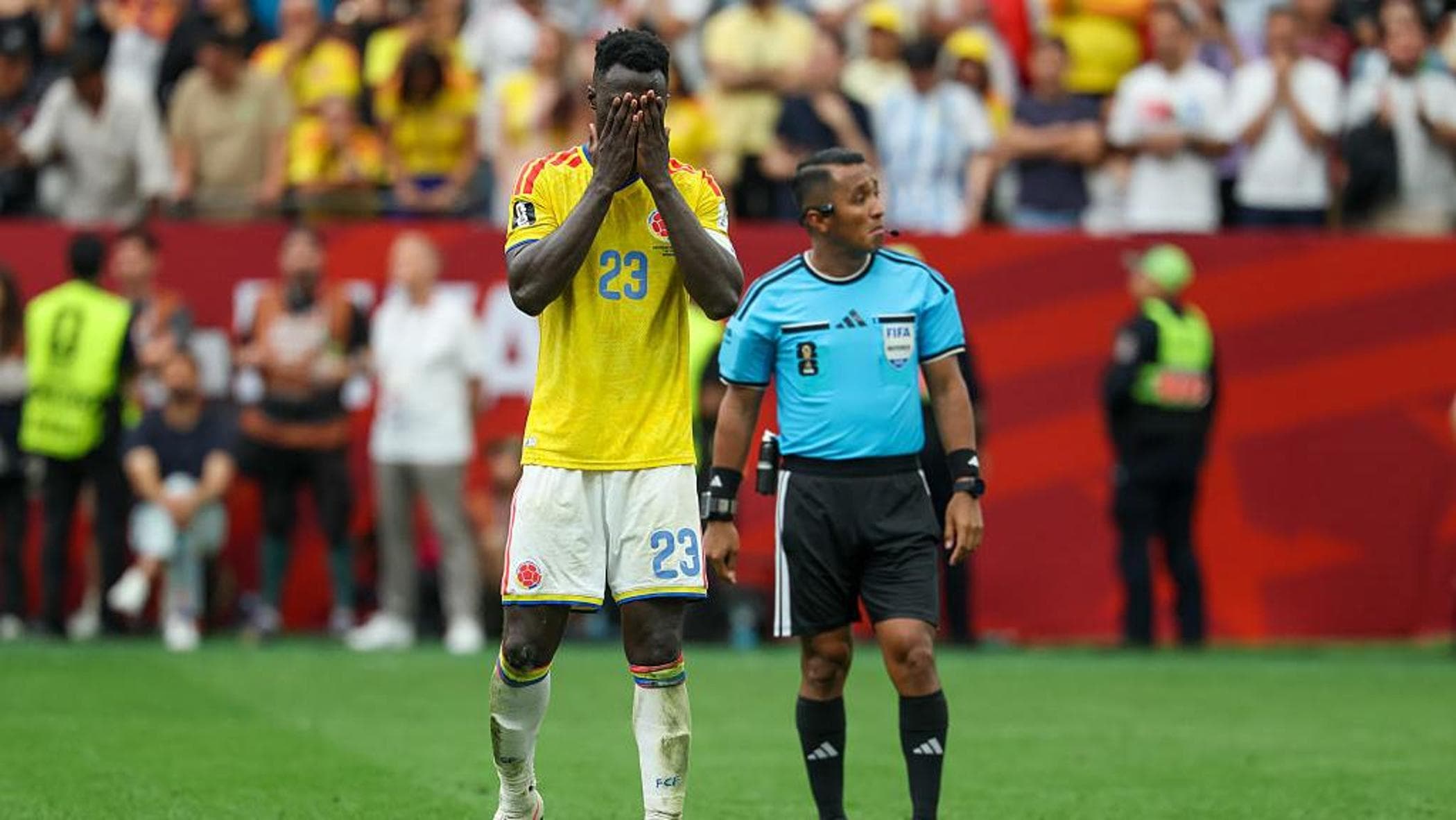
The current World Cup has seen a significant number of missed penalty kicks, with 20 attempts failing to score so far. A striking pattern has emerged: nine of these failed attempts were taken by players who employed the 'step-over' or 'hop' technique before striking the ball. This method, where a player pauses or changes pace just before kicking, has become increasingly popular but appears to be proving ineffective at this tournament. The data suggests a potential downside to this particular approach to penalty-taking, as evidenced by the high failure rate among its users. The overall number of missed penalties also highlights the pressure and difficulty associated with scoring from the spot in high-stakes international competition. Further analysis might explore whether goalkeepers are adapting their strategies to counter this technique, or if the technique itself is inherently flawed under tournament conditions.
The high rate of missed penalties, particularly those employing the 'step-over' technique, suggests a potential disconnect between tactical innovation and consistent execution under pressure. While the pause or hop may aim to deceive the goalkeeper, its frequent failure indicates that either goalkeepers are effectively anticipating or reacting to this specific movement, or the technique itself introduces an element of instability that increases the risk of error. This situation prompts consideration of how specialized skills are evaluated in competitive environments; what appears sophisticated on paper may not translate to reliable performance when facing elite opposition. The trend raises questions about the optimal balance between flair and fundamental technique in penalty-taking, and whether the pursuit of an advantage through specific stylistic choices can inadvertently create a vulnerability.
AI-generated to prompt reflection — not editorial opinion, not advice, not a statement of fact. How this works.