Penang: Island Paradise Blending Street Art and Culinary Delights
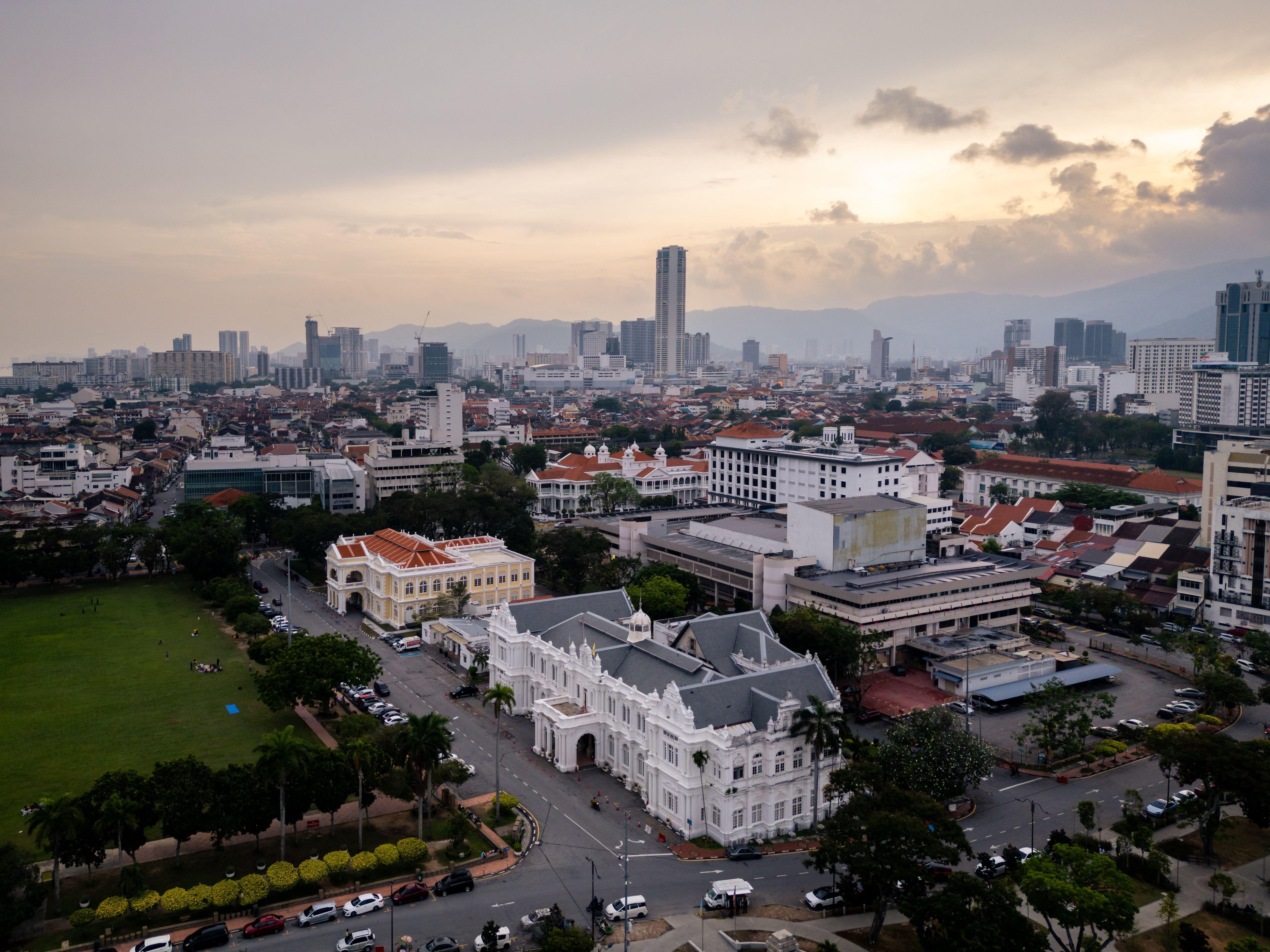
Penang, a Malaysian island, is a captivating destination celebrated for its rich multicultural heritage, stunning tropical beaches, and exceptional street food. This island offers a vibrant experience where urban art and world-class street cuisine are found at every turn. Its unique blend of cultural influences creates a dynamic atmosphere that draws visitors from around the globe. Beyond its artistic and culinary attractions, Penang boasts beautiful natural landscapes, making it a place that warrants more than just a brief visit. The island's ability to seamlessly integrate its diverse history with contemporary attractions provides a compelling travel experience. Visitors can explore colorful street art murals that adorn the city's walls, telling stories of local life and history. Simultaneously, they can indulge in a diverse array of flavors from hawker stalls, sampling dishes that reflect the island's Malay, Chinese, and Indian heritage. Penang's appeal lies in this harmonious coexistence of art, food, and culture, establishing it as a must-visit location in Southeast Asia.
Penang's appeal as a tourist destination is rooted in its successful integration of cultural heritage, artistic expression, and culinary innovation. The island leverages its multicultural legacy to create a unique selling proposition, attracting visitors seeking authentic experiences. The synergy between street art and street food highlights a dynamic urban culture that is both accessible and engaging. This model demonstrates how preserving and celebrating diverse cultural elements can drive economic growth through tourism. Looking ahead, Penang's ability to maintain this balance while adapting to evolving travel trends and global connectivity will be crucial for its sustained success in the coming decade. The island's strategy offers a blueprint for other destinations seeking to capitalize on their cultural assets in an increasingly competitive global market.
AI-generated to prompt reflection — not editorial opinion, not advice, not a statement of fact. How this works.