Penguin Spotted by Tourists During Boat Trip in Santos Bay, Brazil
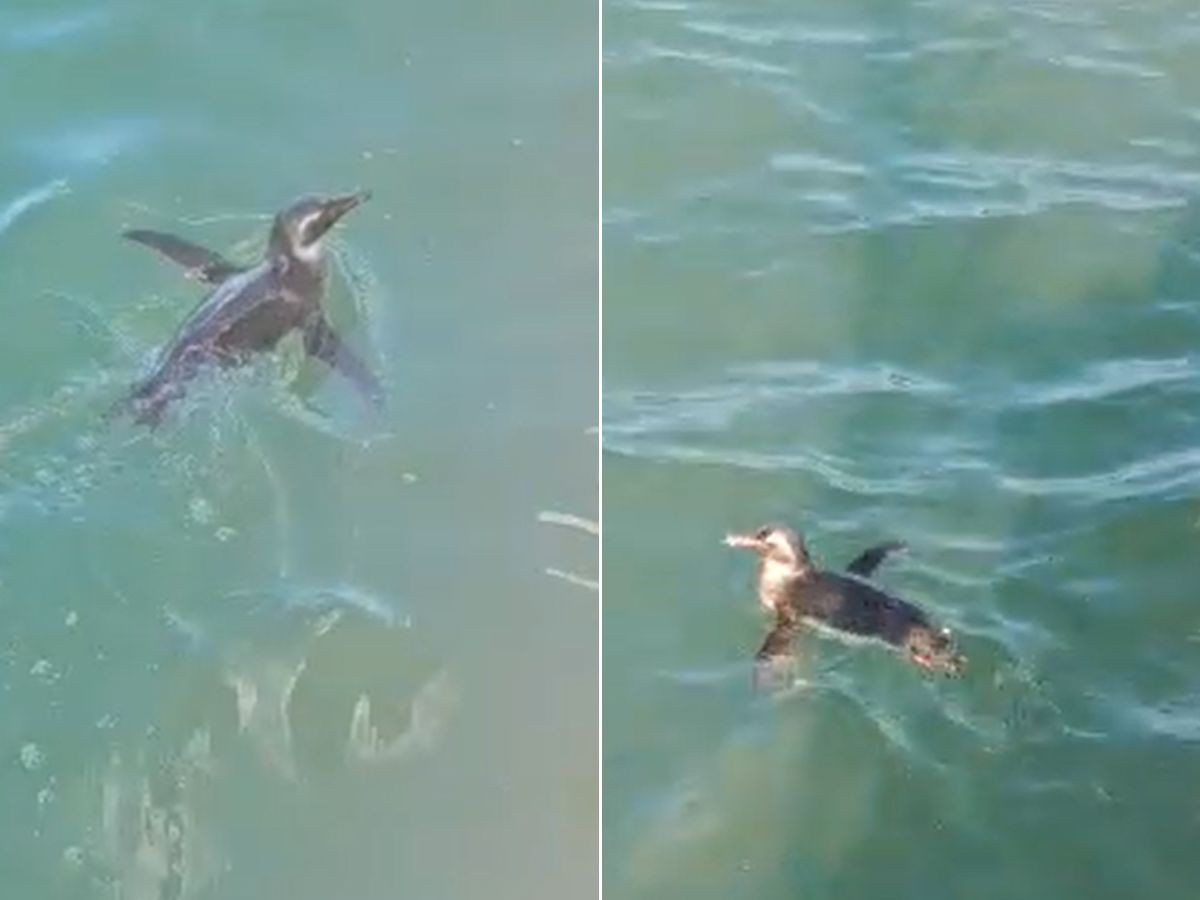
Tourists on a boat excursion in Santos Bay, São Paulo, Brazil, captured footage of a Magellanic penguin. Elaine Batista de Miranda, 45, from Belo Horizonte, described the sighting as an "indescribable sensation" during the Sunday, August 26th trip. She was accompanied by her mother, husband, and son. The penguin, identified by biologist Eric Comin as a Magellanic penguin, is a species known to migrate to Brazil during the winter months in search of food. These penguins typically inhabit temperate regions of South America, including Argentina and Chile, and their northward migration often brings young, inexperienced birds to Brazilian waters. Comin noted that migrating penguins may be tired, dehydrated, or weakened, and advised the public against actions such as placing them on ice, forcing them back into the sea, or attempting to feed them, as these can exacerbate their condition. The family had planned to visit the Santos Aquarium to learn more about marine fauna, but found it closed for renovations. Despite this, Elaine expressed a desire to return to Santos, praising the city's beauty, cleanliness, and welcoming people.
The sighting of a Magellanic penguin in Santos Bay highlights the natural phenomenon of animal migration, influenced by environmental factors like food availability and seasonal changes. While the event provided a rare and exciting experience for tourists, it also underscores the potential challenges faced by these migratory species as they navigate unfamiliar territories. Understanding the migratory patterns and the specific needs of species like the Magellanic penguin is crucial for conservation efforts. Public awareness campaigns that educate on appropriate responses to wildlife encounters can help ensure the well-being of animals and prevent unintended harm. Future ecological assessments may need to consider the impact of changing climate patterns on migratory routes and the health of species undertaking these journeys.
AI-generated to prompt reflection — not editorial opinion, not advice, not a statement of fact. How this works.