Pentagon Declassifies 40 New UFO Files, Leaving Scientific Explanations Pending
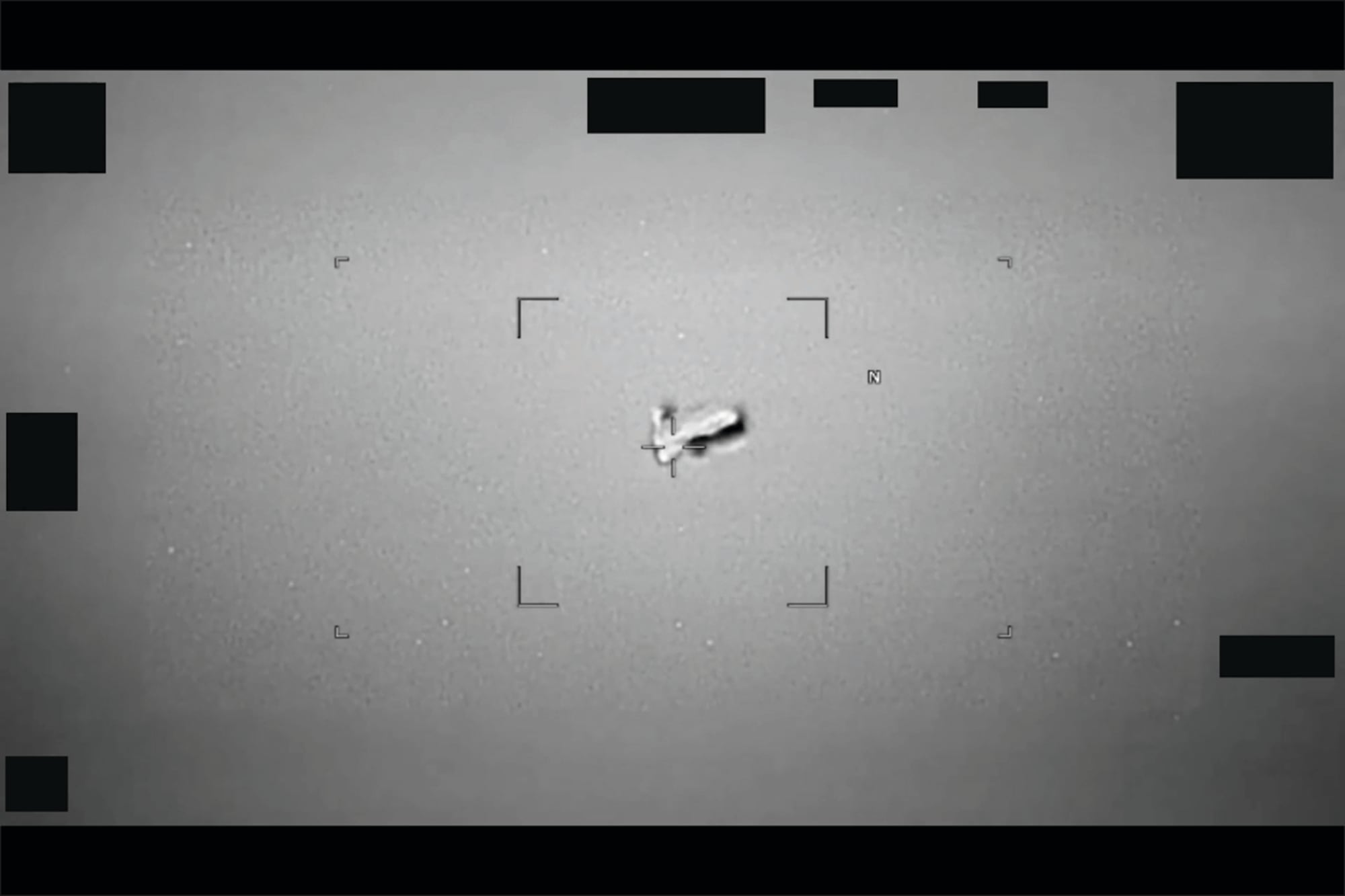
The Pentagon has declassified 40 new files related to unidentified flying objects (UFOs). These documents, compiled over several decades, detail numerous encounters with unidentified aerial phenomena. The release aims to increase transparency and address public interest in these mysterious occurrences. The declassification reactivates the debate surrounding aerospace security and the potential implications of these unexplained sightings. While the files offer detailed accounts of observations, they do not provide definitive scientific explanations for the phenomena encountered. The U.S. government continues to investigate these events, acknowledging the need for further analysis. This move is part of a broader effort to understand and manage potential threats in the nation's airspace. The public release is expected to spur further discussion among experts and the general public regarding the nature of these objects and their origins. The specific nature of the 40 new files has not been fully detailed, but they are understood to add to the existing body of evidence concerning UAPs.
The declassification of these Pentagon files underscores a shift in governmental approach towards acknowledging and investigating unidentified aerial phenomena. This move can be viewed through the lens of evolving national security paradigms, where previously dismissed or classified information is now being brought into the public domain. The lack of immediate scientific explanations highlights the persistent challenges in categorizing and understanding these events, prompting a re-evaluation of sensor capabilities and analytical frameworks. This process may foster greater inter-agency cooperation and encourage advancements in detection and attribution technologies, potentially influencing future aerospace policy and international dialogues on airspace integrity.
AI-generated to prompt reflection — not editorial opinion, not advice, not a statement of fact. How this works.