Pentagon's Shift in Counting Iran War Casualties Sparks Debate
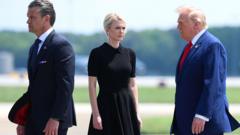
The Pentagon's decision to separate casualty figures from recent Iran tensions from previous war data has drawn criticism and reignited discussions about how war casualties are reported. This practice of reporting and counting war-related deaths has been a subject of debate in the United States for over a century. The recent move by the Pentagon to alter its methodology has brought this long-standing issue back into the public discourse. Critics argue that such changes can obscure the true human cost of conflicts and potentially influence public perception of engagement. The historical context of this debate highlights recurring challenges in accurately and transparently communicating the impact of military actions. Understanding these reporting shifts is crucial for a comprehensive view of military engagement and its consequences. The core of the controversy lies in the potential for revised counting methods to affect historical records and future policy decisions. This development underscores the ongoing need for clarity and consistency in military reporting.
The Pentagon's adjustment in counting casualties related to Iran tensions, separating them from prior conflict data, prompts an examination of military transparency and historical record-keeping. Such methodological shifts can impact how the public and policymakers perceive the cumulative human cost of engagements over time. This practice raises questions about the incentives behind casualty reporting, potentially influencing narratives around military effectiveness and the justification for continued involvement. Evaluating these reporting changes through the lens of future accountability and historical accuracy is essential, particularly as technological advancements may further complicate data collection and dissemination in ongoing and future conflicts. The long-term implications for public trust and the integrity of historical military accounts warrant careful consideration.
AI-generated to prompt reflection — not editorial opinion, not advice, not a statement of fact. How this works.