Pentagon UFO Files, Chinese Mars Mission, and Top Science News
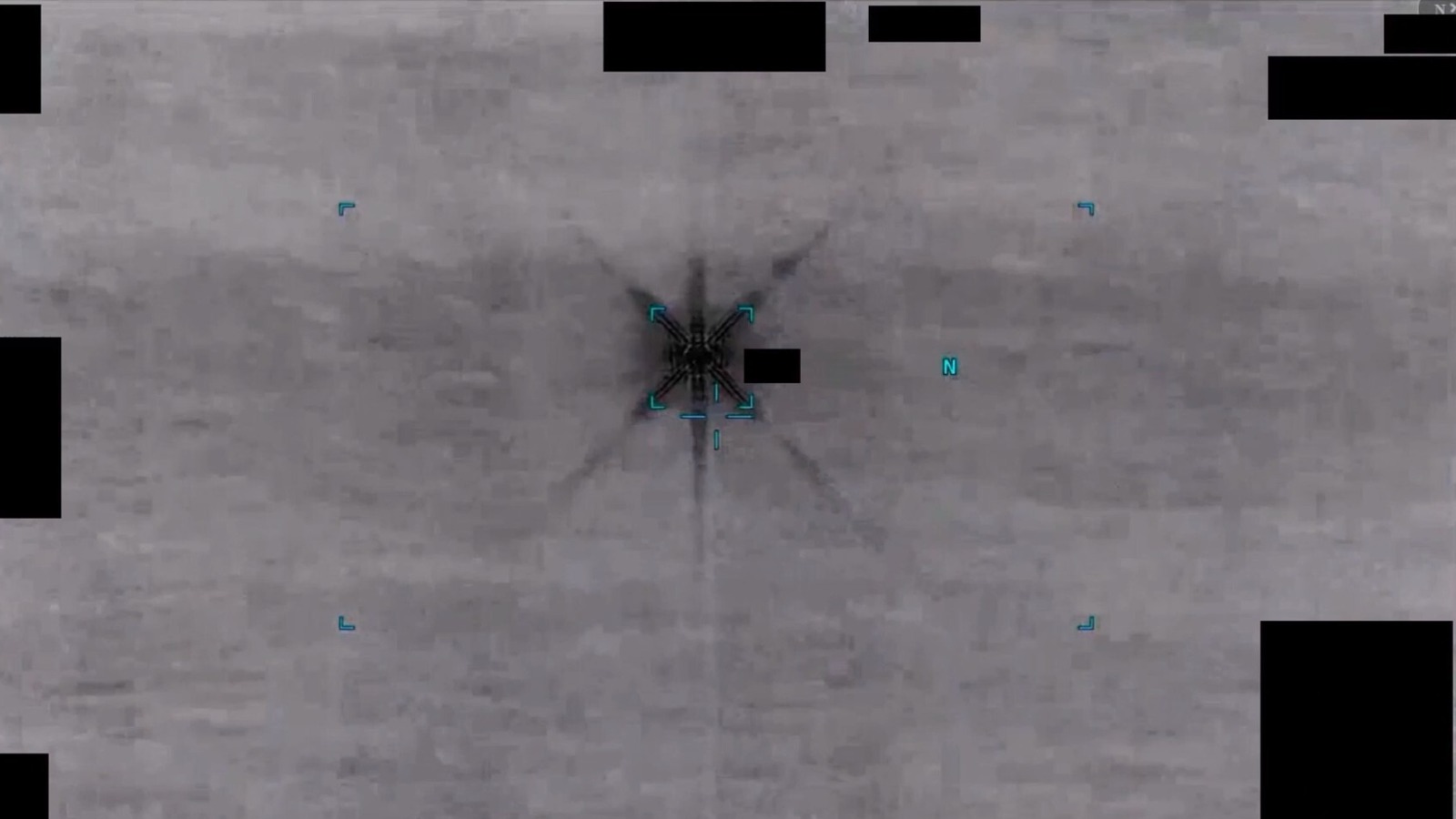
The past week in science brought several notable developments, including the Pentagon's release of a new set of unidentified anomalous phenomena (UAP) files. These documents add to the growing body of information being investigated by defense officials. In space exploration news, China's Tianwen-2 mission successfully reached its designated asteroid target. This mission is a significant step in China's ambitious space program, aiming to study celestial bodies and potentially gather samples. Other science stories from the week covered a range of topics, highlighting ongoing research and discoveries across various scientific disciplines. These updates collectively underscore the dynamic pace of scientific inquiry and technological advancement globally.
The ongoing release of UAP data by the Pentagon reflects a shift in governmental transparency regarding unexplained aerial phenomena, potentially driven by national security concerns and a desire to demystify public perception. Concurrently, China's successful Tianwen-2 asteroid mission showcases the nation's increasing capabilities and strategic investment in space exploration, positioning it as a major player in the global space race. These developments, viewed through a ten-year lens, suggest a future where both state-sponsored and open-source scientific investigation into the unknown will intensify, driven by technological progress and geopolitical competition. The interplay between these efforts could lead to significant breakthroughs in our understanding of both terrestrial and extraterrestrial phenomena, while also raising questions about data sharing and international cooperation in scientific endeavors.
AI-generated to prompt reflection — not editorial opinion, not advice, not a statement of fact. How this works.