Pepper-Spraying Drones for Schools Spark Debate on Shooter Prevention
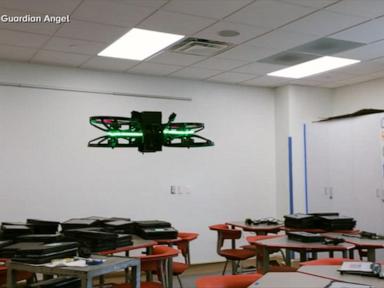
Several schools in the United States are planning to deploy pepper-spraying drones as a new security measure to deter active shooter incidents. This initiative aims to provide an immediate response capability to protect students and staff during a school shooting. The drones are designed to incapacitate a potential attacker from a distance, offering a non-lethal option to law enforcement or security personnel. The introduction of this technology has ignited a significant debate among educators, parents, and security experts regarding its effectiveness and ethical implications. Concerns have been raised about the potential for misuse, accidental deployment, and the psychological impact on students of having armed drones on campus. Proponents argue that the drones could be a crucial tool in preventing casualties by de-escalating threats before they escalate. However, critics question whether this technology truly addresses the root causes of school violence or merely adds another layer of militarization to educational environments. The debate highlights the complex challenges schools face in balancing safety concerns with the creation of a nurturing learning atmosphere.
The deployment of pepper-spraying drones in schools represents a technological approach to mitigating the tragic threat of active shooter events. This strategy reflects a broader trend of integrating advanced surveillance and intervention tools into public spaces, driven by a perceived need for enhanced security. However, the efficacy of such measures in preventing mass violence is subject to ongoing debate, with potential trade-offs between immediate threat response and long-term psychological impacts on students. The underlying incentive for adopting these technologies stems from a desire to reduce casualties, yet questions remain about whether they address the systemic factors contributing to school shootings or simply offer a visible, albeit controversial, layer of defense. Future considerations will likely involve evaluating the technology's real-world performance, its cost-effectiveness compared to other security models, and its alignment with evolving societal expectations for school environments in an increasingly technologically mediated world.
AI-generated to prompt reflection — not editorial opinion, not advice, not a statement of fact. How this works.