Permanent Magnets Explored as Potential Shield Against Space Radiation for Astronauts
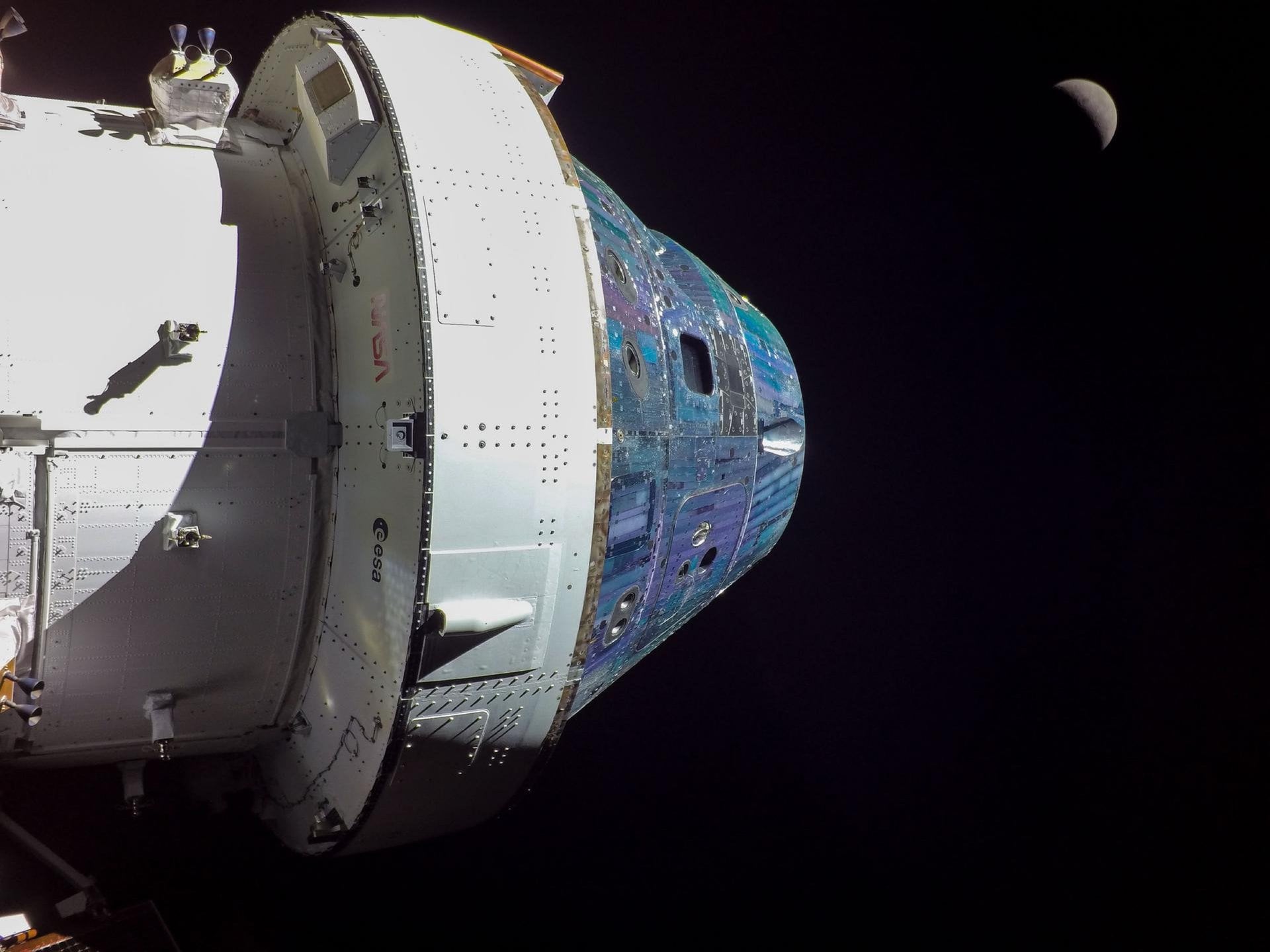
Protecting astronauts from the harmful radiation encountered during deep-space missions is a significant challenge for mission designers. Prolonged exposure, even at low levels, can result in severe health issues, including central nervous system damage and an increased risk of cancer. Existing shielding methods, such as passive water barriers or active superconducting magnets, each present their own drawbacks. A recent paper, published as a pre-print on arXiv, investigates the potential of using permanent magnets to create a protective magnetic field. Researchers from Italy and Germany, led by Valerio Parisi, are examining the feasibility of this approach as a way to block dangerous radiation without the high costs associated with current technologies.
The exploration of permanent magnets for astronaut radiation shielding highlights a critical need for innovative, cost-effective solutions in deep-space exploration. While passive and active magnetic shielding methods exist, their limitations necessitate exploring alternatives. This research addresses the inherent trade-offs between effectiveness, energy requirements, and mass constraints in spacecraft design. Future advancements in materials science and magnetics could significantly impact the feasibility and efficiency of such passive shielding, potentially reducing mission complexity and cost. The long-term viability of permanent magnet shielding will depend on its ability to withstand the harsh space environment and provide sufficient protection against various forms of cosmic and solar radiation, a key consideration for sustained human presence beyond Earth.
AI-generated to prompt reflection — not editorial opinion, not advice, not a statement of fact. How this works.