Pernambuco Interior: 61 Municipalities Warned of Potential Heavy Rains
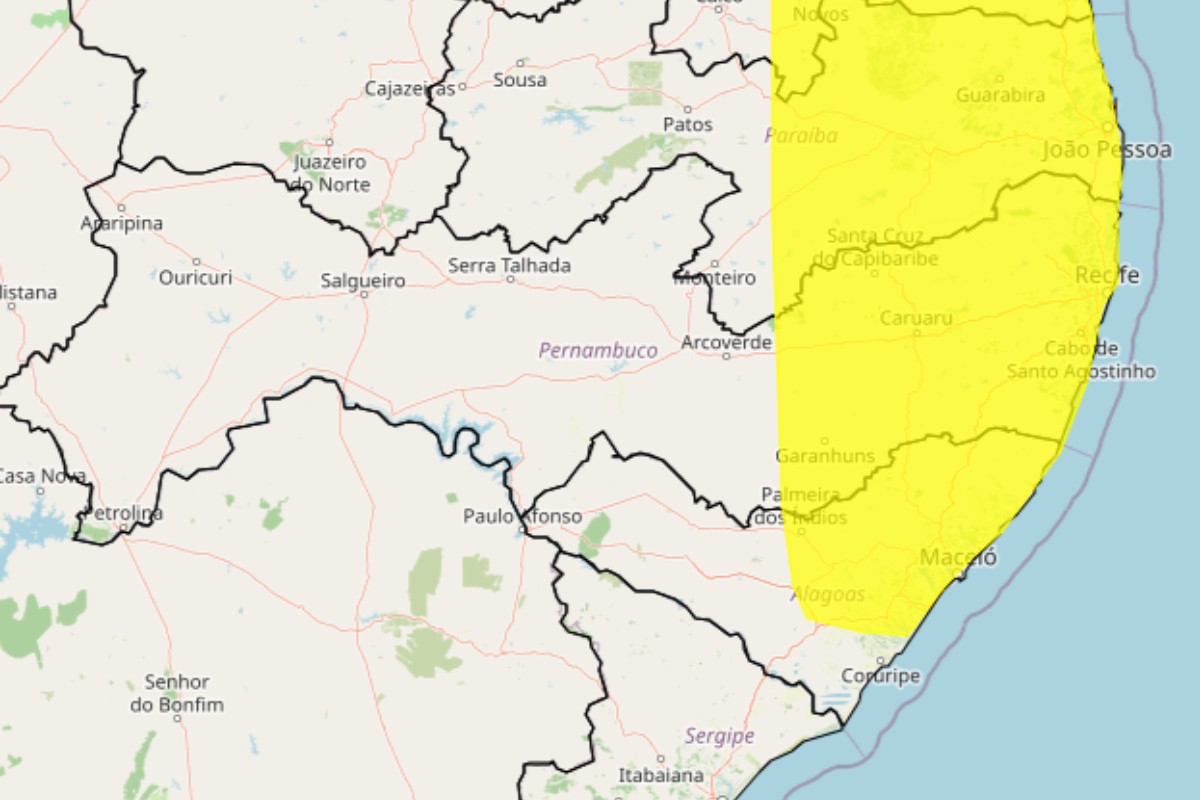
The National Institute of Meteorology (Inmet) has issued a "potential danger" alert for heavy rainfall affecting 61 municipalities in the interior of Pernambuco, Brazil. The alert is valid until Saturday, November 25th, at 11:59 PM, with a possibility of extension. Rainfall is expected to range between 20 to 30 millimeters per hour, potentially reaching 50 millimeters daily, accompanied by strong winds gusting up to 60 kilometers per hour. The affected areas are primarily located in the Agreste and Zona da Mata Sul regions of the state. Among the notified cities are Caruaru and Garanhuns, along with numerous others including Agrestina, Água Preta, Belo Jardim, Bezerros, Bonito, Brejo da Madre de Deus, Camocim de São Félix, Cupira, Frei Miguelinho, Gameleira, Gravatá, Ibirajuba, Jaqueira, Jataúba, Joaquim Nabuco, Jucati, Jupi, Lagoa do Ouro, Lagoa dos Gatos, Lajedo, Maraial, Palmares, Palmeirina, Panelas, Passira, Pesqueira, Poção, Riacho das Almas, Saloá, Sanharó, Santa Cruz do Capibaribe, Santa Maria do Cambucá, São Benedito do Sul, São Bento do Una, São Caetano, São João, São Joaquim do Monte, Surubim, Taquaritinga do Norte, Terezinha, Toritama, Venturosa, Vertente do Lério, Vertentes, and Xexéu. Inmet advises residents to avoid seeking shelter under trees during wind gusts or heavy rain due to the risk of falling branches and electrical discharges. They also recommend parking vehicles away from transmission towers and advertising signs, and to refrain from using plugged-in electronic devices during the alert period.
This alert signifies a proactive approach by meteorological agencies to mitigate risks associated with extreme weather events. By providing advance warning and specific safety guidelines, Inmet aims to empower communities to prepare and respond effectively, thereby reducing potential damage and safeguarding lives. The issuance of such alerts reflects an increasing reliance on data-driven forecasting to manage environmental hazards. Future efforts could focus on integrating these warnings with broader disaster preparedness infrastructure and communication channels to ensure timely and widespread dissemination, especially in regions prone to such meteorological phenomena. Understanding the patterns and frequency of these events is crucial for long-term urban planning and climate resilience strategies.
AI-generated to prompt reflection — not editorial opinion, not advice, not a statement of fact. How this works.