Pernambuco Sees 21% Surge in Voters Over 70, Reaching 10% of Electorate
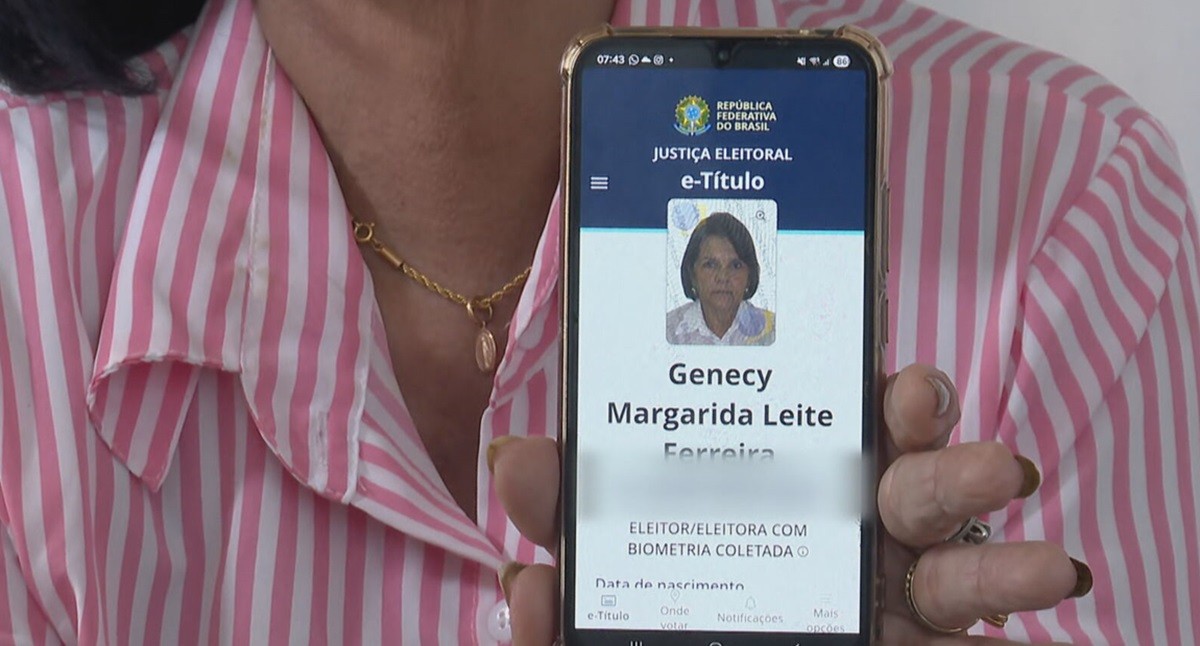
The number of voters over 70 years old in Pernambuco, Brazil, has reached a historic high, with 723,272 individuals in this age group. This demographic now constitutes 10% of the state's total electorate of over 7.2 million voters. This represents a significant increase of 21.86% compared to the 2022 election, when this segment comprised 593,533 voters, or 8.5% of the electorate. Despite voting being optional for this age group, many demonstrate a strong commitment to participating in the democratic process. Data from the Regional Electoral Court (TRE) indicates a consistent rise in voters over 70 in recent years. Specifically, there are over 180,000 voters aged 80 and above, more than 35,000 voters between 90 and 99, and over 8,700 centenarians. A 74-year-old retiree, Genecy Almeida, emphasizes the importance of voting for exercising citizenship and advocating for social policies, health, education, and retirement rights. Gerontology specialist Cacilda Medeiros attributes this engagement to a historical understanding of democracy, citing the "Diretas Já" movement and the redemocratization process, which instilled in older voters a desire not to lose their right to vote. She also links this participation to a more active aging process, where individuals feel empowered and continue to vote to realize their citizenship through public policy. The upcoming 2026 elections will see voters choosing presidents, vice-presidents, governors, federal and state deputies, and senators.
The demographic shift in Pernambuco, with a notable increase in older voters, highlights evolving participation patterns in democratic processes. This trend suggests that the segment of the population aged 70 and above is increasingly engaged, potentially driven by a combination of historical civic memory and a desire to influence public policy that directly impacts their well-being. From a systemic perspective, electoral bodies and policymakers may need to consider how to best accommodate and engage this growing demographic, ensuring accessibility and responsiveness to their needs. The rise in active participation among older citizens, particularly those who have lived through significant political transitions, underscores the enduring value they place on their civic rights and the democratic framework. This engagement could serve as a model for fostering sustained civic participation across all age groups, emphasizing the long-term benefits of an informed and active electorate for governance and social progress.
AI-generated to prompt reflection — not editorial opinion, not advice, not a statement of fact. How this works.