Pernambuco State Ordered to Pay R$200,000 to Inmate's Children After Prison Death
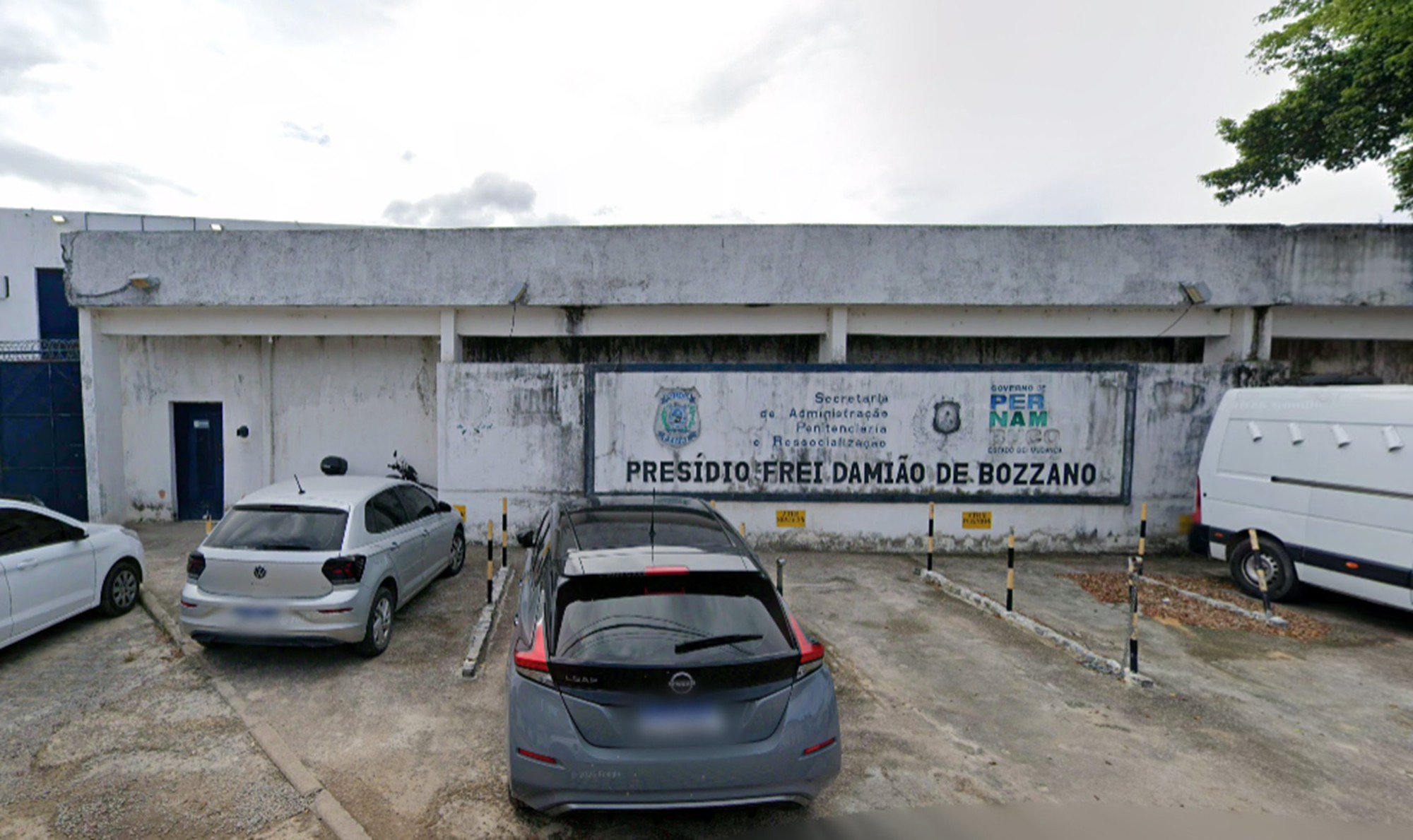
The Pernambuco Court of Justice has ordered the state to pay R$200,000 in moral damages to the four children of an inmate, Kleber José de Araújo, who was fatally shot inside the Frei Damião de Bozzano Prison on May 10, 2021. The court also mandated R$3,000 for funeral expenses and a monthly pension for three of the victim's children. The inmate was killed by fellow prisoners hours after a security search by guards, during which firearms, ammunition, and drugs were seized. Despite the search, other firearms remained within the prison, leading to the fatal shooting in the prison yard. The judge ruled that the state demonstrated a "grave failure in the duty of vigilance and security" by prison administration, rejecting the state's argument that the homicide was an unforeseeable act by a third party. The court affirmed that the state has a duty to guarantee the physical and moral integrity of individuals in its custody. Each of the four children will receive R$50,000 in moral damages. Three children who were minors at the time of their father's death will receive a pension equivalent to two-thirds of the national minimum wage, divided equally among them, until they turn 25. The pension payments are retroactive to May 10, 2021. The lawsuit was initially filed by the inmate's legal wife, but two other daughters were later included, leading to the exclusion of the wife from receiving damages due to a de facto separation since 2014. The inmate had a public relationship with another woman, who is the mother of one of his daughters and provided him assistance during his incarceration.
This court ruling highlights a critical systemic failure in correctional facility oversight, where despite a security sweep, lethal weapons remained accessible, leading to inmate fatalities. The judgment underscores the state's non-delegable duty to ensure the safety of those in its custody, irrespective of inmate-on-inmate violence, framing it as a breach of "vigilance and security." This case prompts reflection on the efficacy of internal security protocols and the potential for improved intelligence gathering and interdiction strategies within prisons. Looking ahead, the increasing use of technology, such as AI-powered surveillance and contraband detection, may offer avenues to mitigate such risks, though the fundamental challenge of maintaining order and safety in overcrowded and under-resourced correctional environments persists. The financial and compensatory measures ordered aim to address the immediate harm, but the long-term solution lies in systemic reform and enhanced operational security.
AI-generated to prompt reflection — not editorial opinion, not advice, not a statement of fact. How this works.