Pernambuco State Ordered to Pay R$500,000 to Father of Man Mistakenly Killed by Police
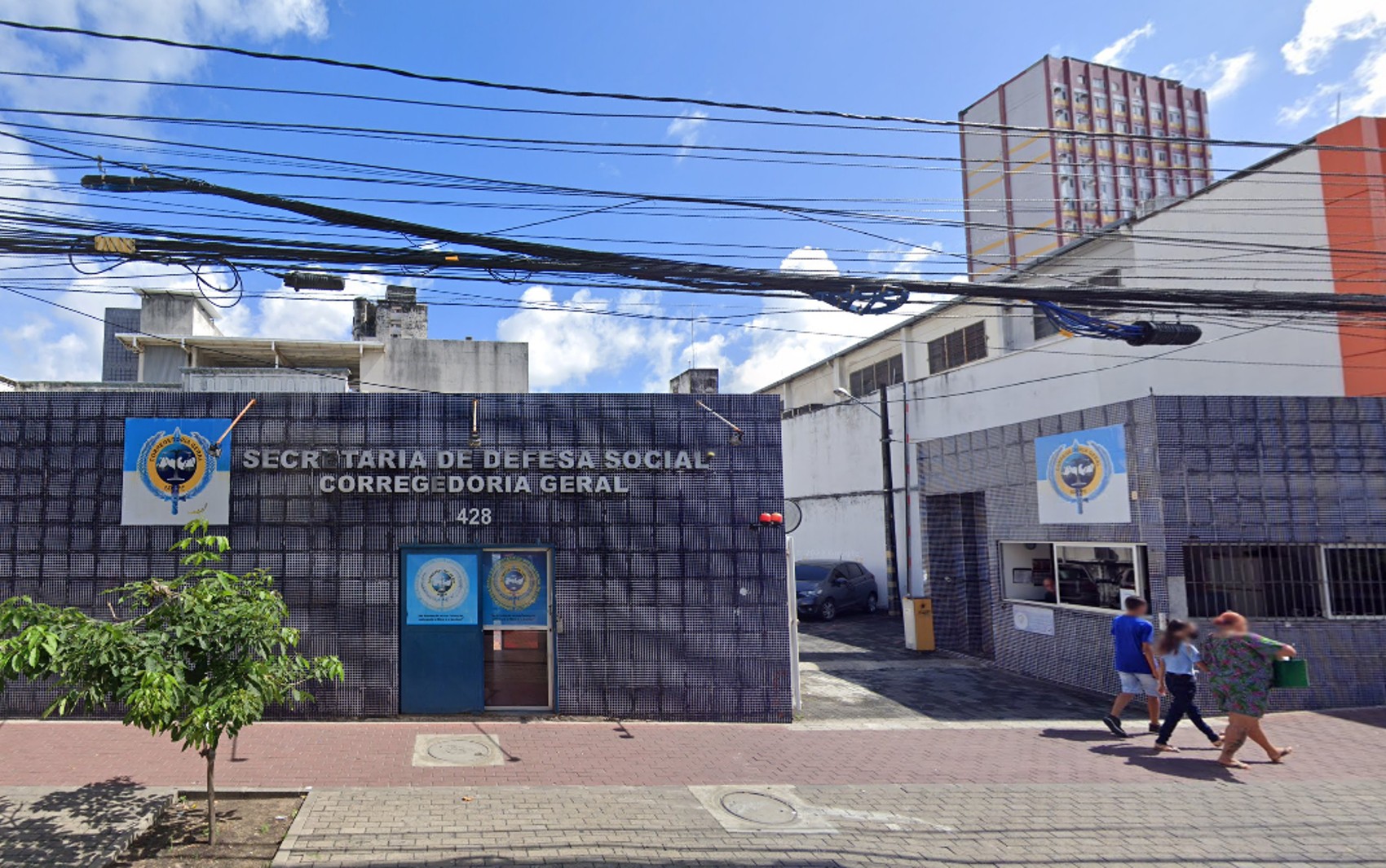
The Pernambuco Court of Justice has ordered the state to pay R$500,000 in moral damages to the father of Rosinaldo de Lima e Silva, who was fatally shot by Military Police on June 17, 2018. The incident occurred in Cabo de Santo Agostinho, Greater Recife, during an operation by the Itinerant Tactical Support Group (Gati) of the 18th Military Police Battalion. Silva was reportedly in his own backyard hanging clothes when he was mistakenly identified as a suspect being pursued by officers. The state had argued that its officers were acting within the scope of their legal duty and that third parties were responsible for the death. However, the judge presiding over the case, Sílvia Maria de Lima Oliveira, found a clear link between the police action and Silva's death. A police officer involved in the operation testified that shots were fired by the team and that it was later confirmed the victim was not a suspect but a resident. Ballistics evidence indicated the fatal shot originated from the police team, and the responsible officer reportedly admitted this to the Military Police Inspectorate. Witness accounts suggested only one shot was heard after the police arrived, contradicting the state's claim of an armed confrontation. There was no evidence that Silva was armed, fired at police, or was connected to the criminals being investigated. The judge emphasized that the victim being shot inside his own home underscored his innocence. The court ruled that even lawful state actions can incur liability when they cause unjust harm to an innocent third party. The R$500,000 compensation, along with 10% in legal fees, reflects the severity of the case and the fact that the shooting occurred within the victim's residence. The State Attorney General's Office has been contacted for comment on whether it intends to appeal the decision.
This judicial ruling highlights the critical importance of robust accountability mechanisms within law enforcement operations, particularly concerning mistaken identity incidents. The court's finding that the state remains liable even when officers act with lawful intent, if their actions result in unjust harm to an innocent, underscores the principle that operational objectives do not supersede the protection of civilian life and rights. The analysis of witness testimony and ballistics evidence, which contradicted the state's narrative of an armed confrontation, demonstrates the judiciary's role in verifying official accounts against empirical data. Moving forward, this case may prompt a review of Gati's operational protocols and intelligence gathering to minimize the risk of civilian casualties and enhance the accuracy of suspect identification, thereby reinforcing public trust and adherence to due process in high-stakes police actions.
AI-generated to prompt reflection — not editorial opinion, not advice, not a statement of fact. How this works.