Pernambuco to Have Over 7.2 Million Voters in 2026 Elections
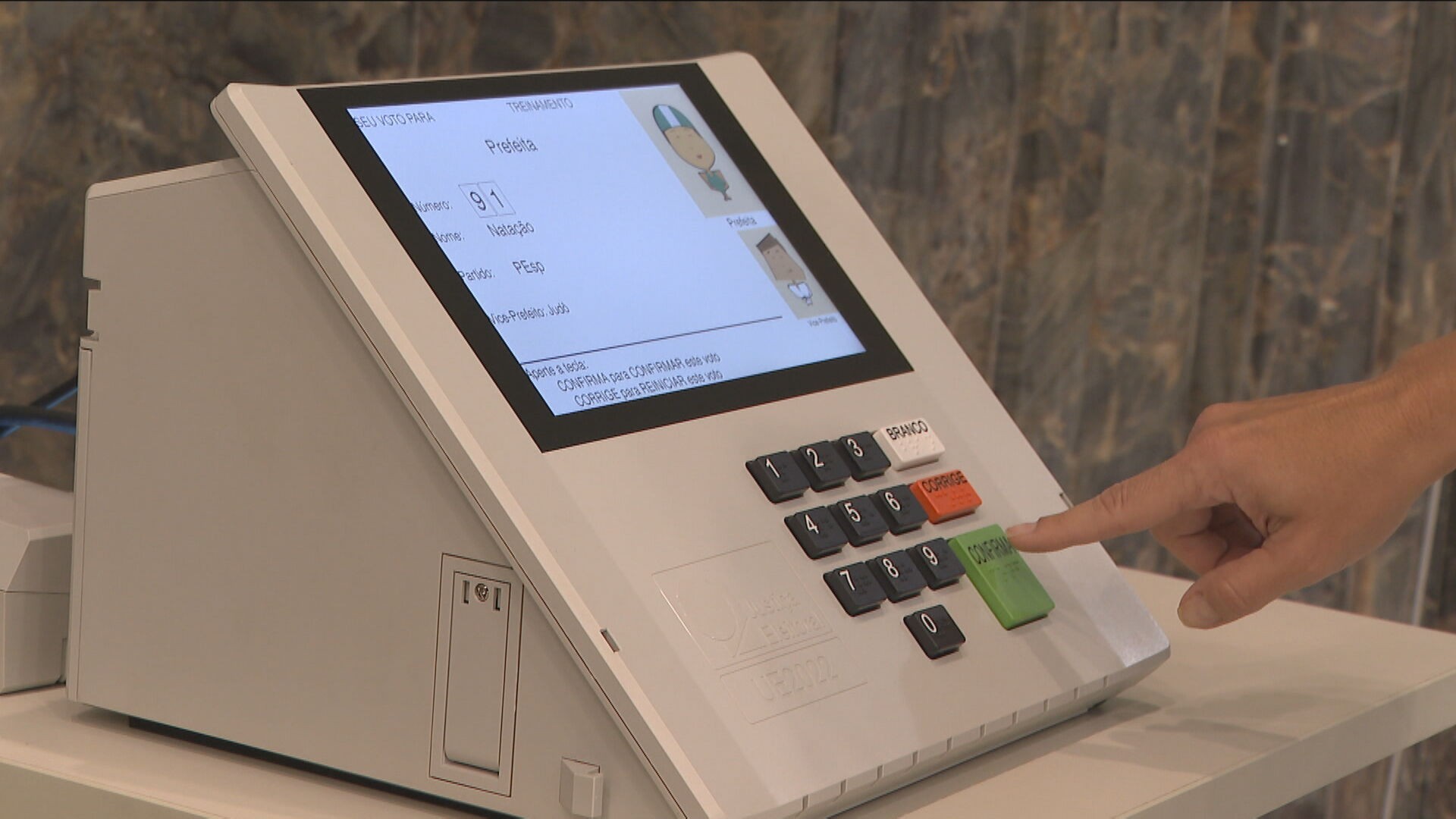
Pernambuco, Brazil, will have 7,225,744 eligible voters for the 2026 elections, according to data released by the Regional Electoral Court (TRE). This makes Pernambuco the seventh-largest electoral college in Brazil and second in the Northeast region, surpassed only by Bahia. Nationally, the total number of registered voters exceeds 158.6 million. The Pernambuco electorate has grown by 1.02% since the 2024 elections and by 3% compared to 2022. Notably, the number of voters self-identifying as Black or mixed-race has nearly doubled in the past three years, a trend being tracked for the first time since 2022. Women constitute the majority of voters in Pernambuco, representing 53.64% with 3,876,071 registered, while men account for 46.35% with 3,349,351. The largest age group consists of individuals aged 40 to 44, totaling 726,026 voters. Young voters aged 16 and 17, whose vote is optional, number 96,037, representing 1.33% of the electorate. Regarding education, the most common level is completed high school, with 1,978,608 voters (27.38%). A smaller percentage, 5.99% (432,693 voters), declared themselves illiterate, while 8.35% (603,235 voters) have completed higher education. Recife, the state capital, has the largest number of voters among Pernambuco's 184 municipalities, with 1,228,592 registered. The TRE also reported a significant decrease in voters with no race or color information, from 140,038,765 to 126,004,656, with the percentage dropping from 89% to 79% since 2024. During this period, both self-identified Black and mixed-race voters have almost doubled.
The data from Pernambuco's Regional Electoral Court highlights demographic shifts within the Brazilian electorate, particularly concerning racial self-identification and gender distribution. The near doubling of voters identifying as Black or mixed-race since 2022, alongside a decrease in individuals without specified race information, suggests a potential increase in political consciousness or a more inclusive data collection process. This trend could influence future electoral strategies and policy considerations, reflecting a more diverse electorate. The continued majority of female voters and the concentration of voters in the 40-44 age bracket and with completed high school education provide insights into the socio-economic landscape. Understanding these evolving demographics is crucial for political actors seeking to engage effectively with a changing voter base and address the diverse needs and perspectives within the electorate.
AI-generated to prompt reflection — not editorial opinion, not advice, not a statement of fact. How this works.