Peronist Party Proposes Controversial Expansion of Provincial Legislature
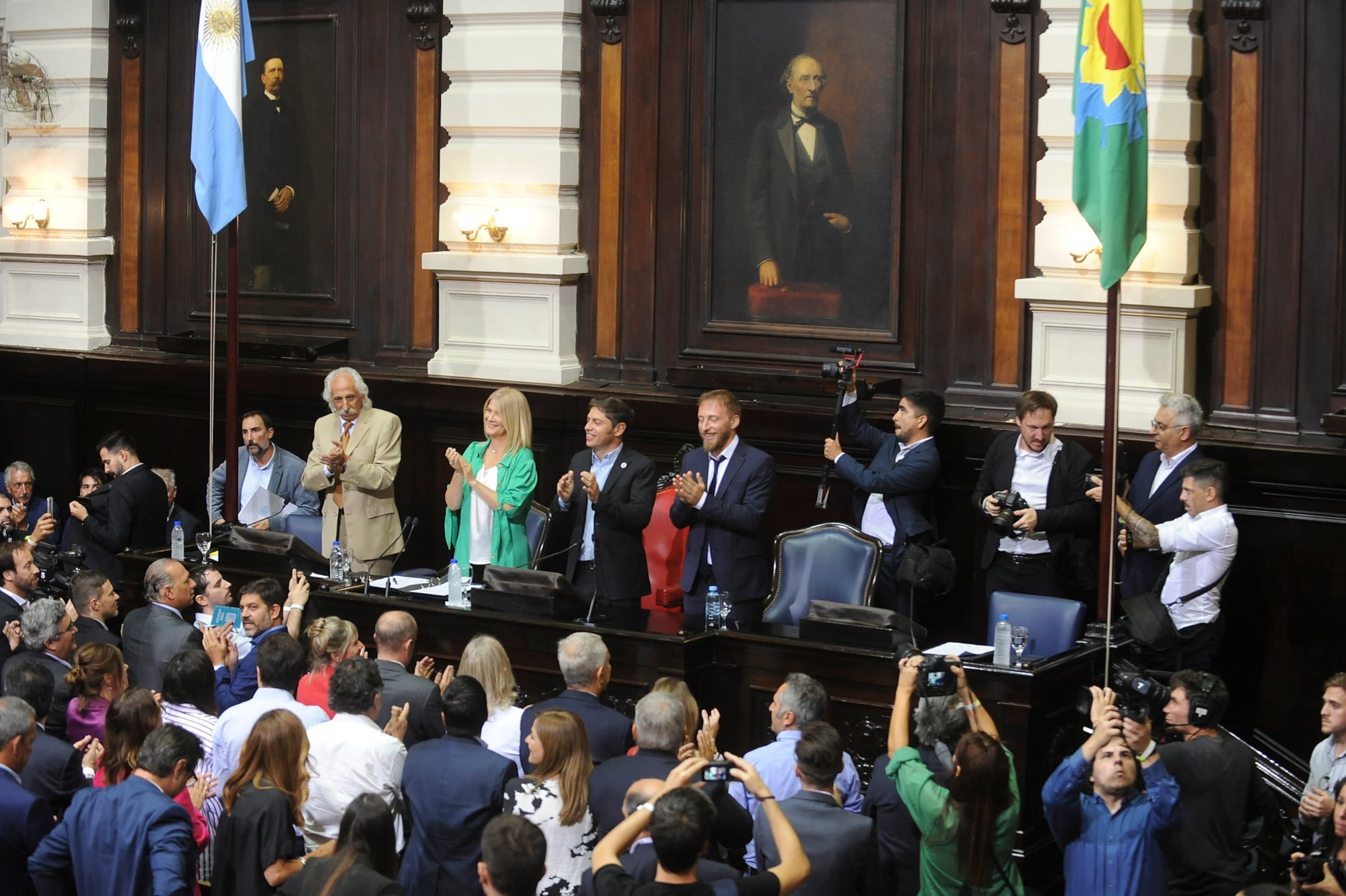
The ruling Peronist party in Argentina's Buenos Aires province has introduced a controversial bill to expand the provincial legislature. The proposal aims to add twelve new seats, increasing the total number of representatives to 150. This move has drawn criticism, as the legislature is already considered one of the most expensive in the country. Furthermore, it faces scrutiny due to its association with the "ñoquis" scandal, also known as the "Chocolate" case, which involves allegations of ghost employees or individuals on payroll who do not perform actual work. The expansion is seen by some as an attempt to increase political patronage and further entrench the party's influence.
The proposed expansion of the Buenos Aires provincial legislature by the Peronist party introduces a significant increase in public expenditure and representation. This decision warrants examination through the lens of fiscal responsibility and governmental efficiency, particularly given the legislature's existing reputation for high costs and past scandals. Evaluating the long-term implications for governance, such as potential impacts on legislative productivity, accountability, and the equitable distribution of taxpayer funds, is crucial. Future-oriented analysis should consider how such expansions align with evolving demands for leaner, more technologically adept public administration in the digital age, and whether they foster greater public trust or exacerbate existing concerns about political structures.
AI-generated to prompt reflection — not editorial opinion, not advice, not a statement of fact. How this works.