Perseid Meteor Shower Peaks During Total Solar Eclipse on August 12-13
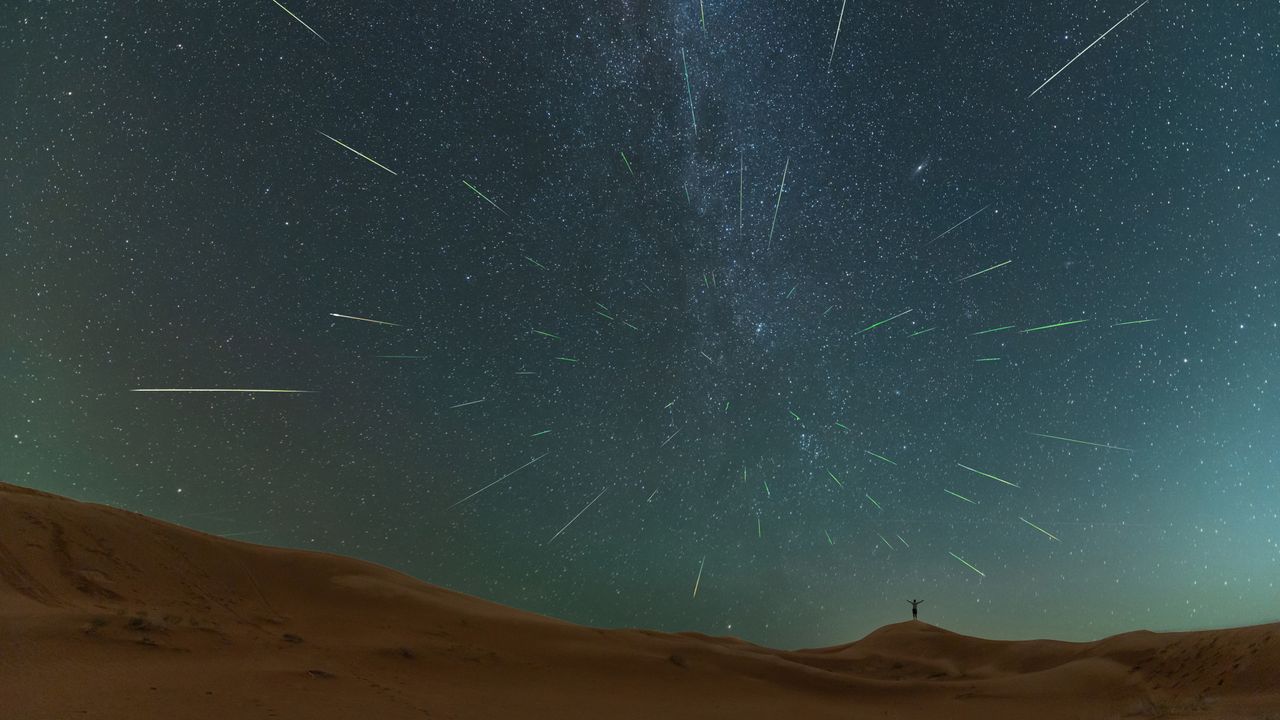
The annual Perseid meteor shower is now active and will reach its peak on the nights of August 12th and 13th. This year's peak coincides with a rare total solar eclipse, offering a unique celestial event for observers. The Perseids are known for producing a high number of bright meteors, often referred to as shooting stars. While the meteor shower is active for several weeks, the most intense display is expected during the peak nights. The presence of the total solar eclipse on the same nights adds an extraordinary element to this year's viewing opportunities. Skygazers are advised to find locations with minimal light pollution for the best chance to witness both phenomena. The Perseid meteor shower originates from debris left behind by the comet Swift-Tuttle. The event provides a spectacular natural light show that occurs every summer.
The confluence of the Perseid meteor shower and a total solar eclipse presents a remarkable astronomical alignment. From a systems perspective, the predictability of meteor showers, driven by orbital mechanics, contrasts with the rarity of total solar eclipses. The increased visibility of meteors during a new moon phase, which typically accompanies a solar eclipse, enhances the viewing experience. This dual event underscores the dynamic nature of our solar system and offers a compelling opportunity for public engagement with astronomy. It highlights the importance of dark sky preservation for maximizing the scientific and aesthetic value of such celestial occurrences.
AI-generated to prompt reflection — not editorial opinion, not advice, not a statement of fact. How this works.