'Persepolis': A Story Raising Rebellious Women
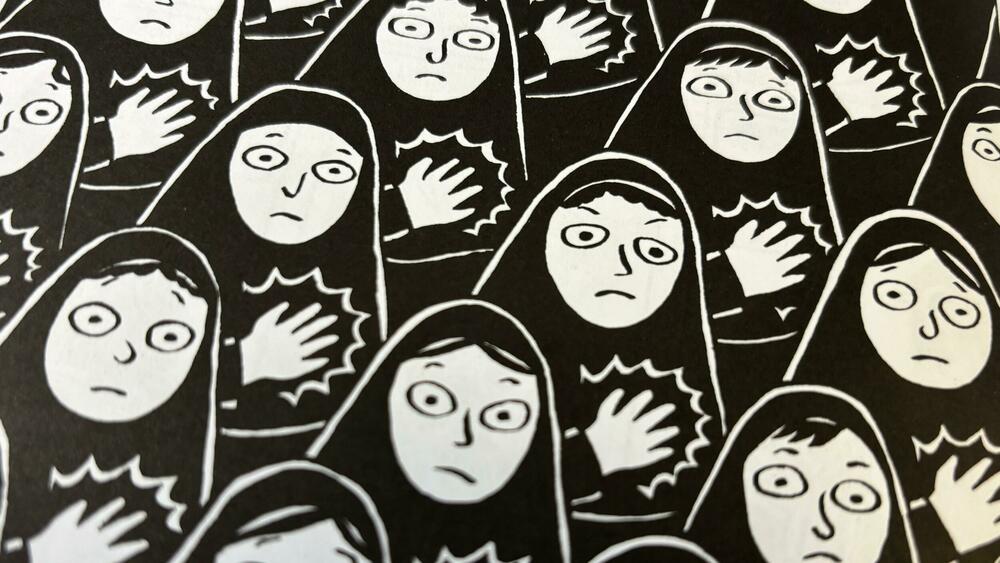
The graphic novel 'Persepolis' chronicles the life and people of Iran following the Islamic Revolution, offering a journey through the country's history. Simultaneously, it presents a critique of the West and imperialism. The narrative focuses on the experiences of individuals navigating this complex socio-political landscape. It highlights the personal impact of historical events and societal shifts. The story aims to foster a spirit of rebellion and critical thinking, particularly among women. By examining Iran's past and present, the work provides a nuanced perspective on national identity and global relations. It challenges conventional narratives and encourages readers to question established power structures. The narrative serves as a powerful tool for understanding the intersection of personal lives and grand historical forces.
'Persepolis' utilizes a personal narrative to explore the geopolitical tensions and cultural shifts in Iran post-1979 Islamic Revolution. By juxtaposing internal Iranian experiences with external Western influences, the work prompts reflection on the dynamics of imperialism and national sovereignty. The narrative's focus on individual agency, particularly female characters, invites consideration of how societal structures shape personal identity and resistance. Examining this through a futurist lens, the story highlights the enduring challenges of cultural exchange and the potential for art to bridge divides, while also underscoring the persistent influence of historical grievances on contemporary international relations and the ongoing negotiation of global power.
AI-generated to prompt reflection — not editorial opinion, not advice, not a statement of fact. How this works.