Perseverance Rover Finds 4-Billion-Year-Old Impact Evidence in Jezero Crater
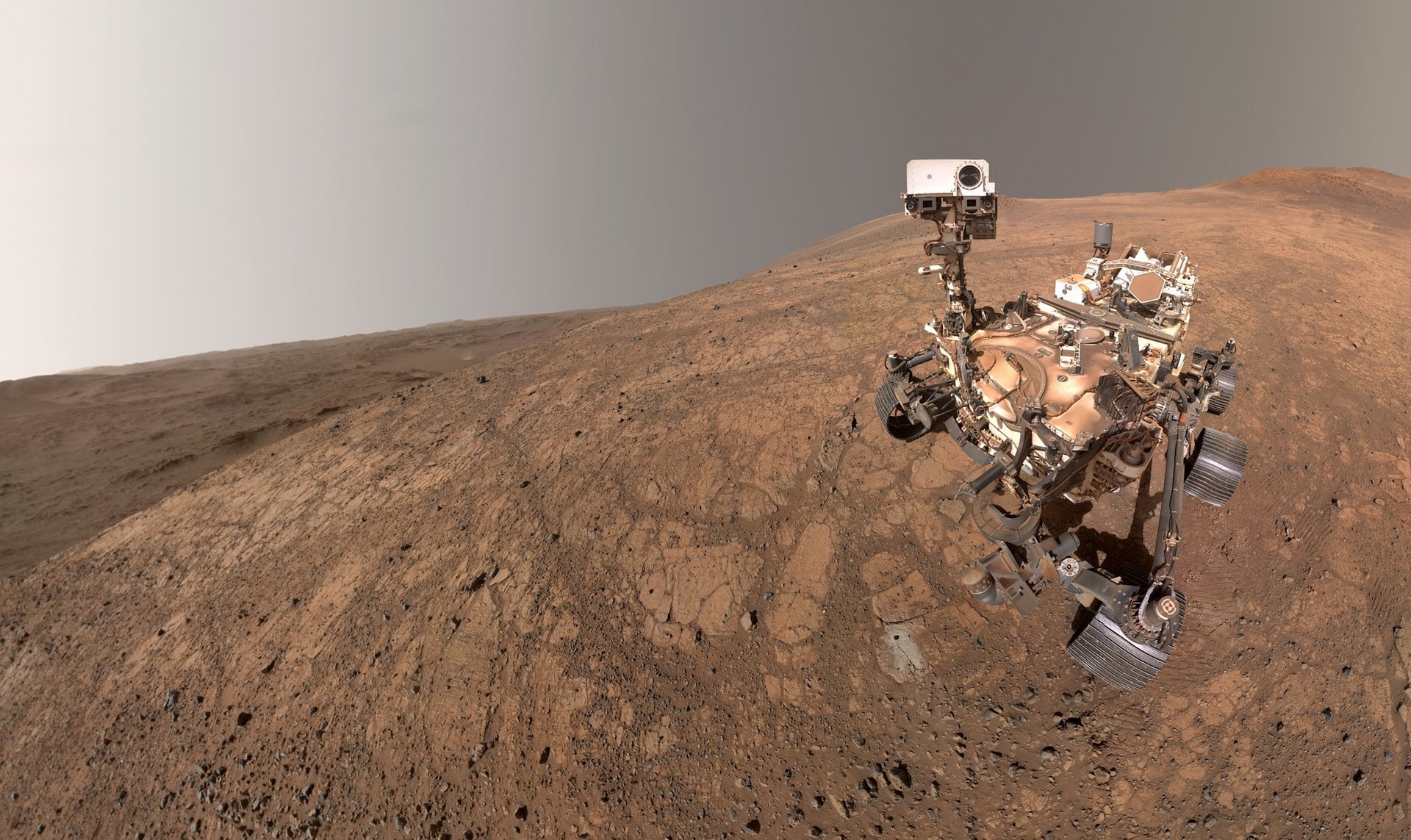
NASA's Perseverance rover has discovered evidence of ancient cosmic impacts dating back approximately 4 billion years. These findings were located on rocks exposed along the rim of Jezero Crater on Mars. The exposed rocks are described as a cosmic "weather report" from a period when the solar system was highly dynamic. This era is known for intense bombardment from asteroids and comets. The discovery provides valuable insights into the early history of the solar system and the conditions present during its formation and early evolution. Scientists can use this data to better understand the frequency and intensity of impacts during that time. This information is crucial for reconstructing the timeline of planetary development. The Jezero Crater region itself is of significant scientific interest, as it is believed to have once held a lake and river delta, making it a prime location for searching for signs of ancient microbial life.
The discovery of 4-billion-year-old impact evidence in Jezero Crater offers a window into the solar system's tumultuous early history. Analyzing these ancient geological records allows scientists to refine models of planetary formation and the frequency of asteroid and comet impacts during a critical developmental period. Understanding these early bombardment patterns is essential for contextualizing the evolution of terrestrial planets, including Earth, and for assessing the potential for life to emerge and persist under such conditions. This data can inform future exploration strategies by highlighting regions potentially shielded or significantly altered by early cosmic events.
AI-generated to prompt reflection — not editorial opinion, not advice, not a statement of fact. How this works.