Persian Gulf States Navigate US-Iran Tensions Amid Economic Concerns
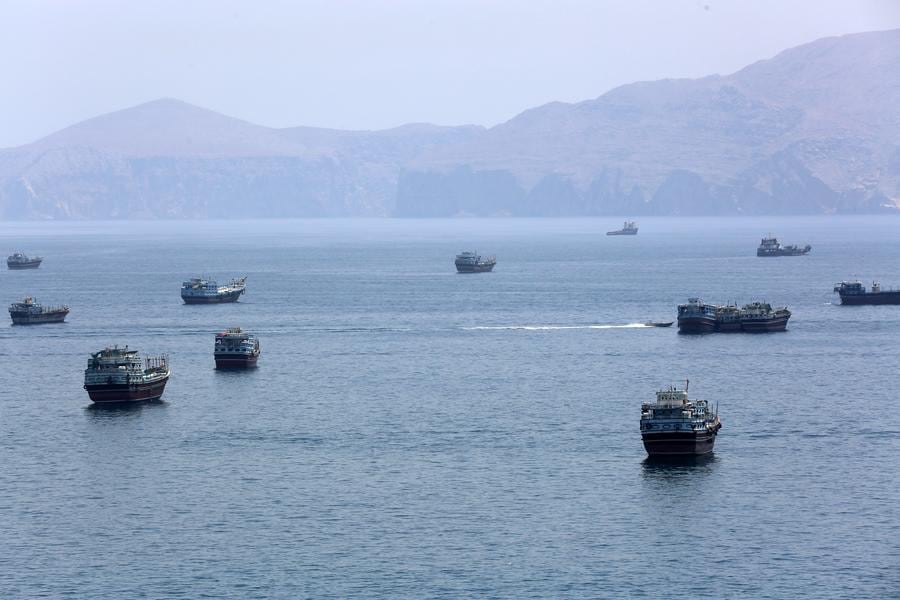
Persian Gulf nations find themselves at a critical juncture following a recent escalation between the United States and Iran. The substantial U.S. military presence in the region, while intended as a deterrent, paradoxically positions these countries as potential targets. Consequently, Gulf states are keen to avoid becoming a battleground, which could severely undermine their economic stability. This delicate balancing act was highlighted when U.S. President Trump rescinded his demand for a 20% toll on ships transiting the Strait of Hormuz. Instead, he indicated that Gulf states would make significant investments in the United States. This shift suggests a diplomatic effort to alleviate immediate tensions while seeking economic commitments from the region.
The geopolitical dynamics in the Persian Gulf are shaped by the complex interplay of security alliances and economic interdependence. The U.S. military presence, while a cornerstone of regional security for some, simultaneously introduces strategic vulnerabilities for host nations. The reported shift in U.S. demands, from transit tolls to investment commitments, may reflect an evolving strategy to leverage economic ties for geopolitical influence. This approach could aim to reframe the relationship from one of direct security burden-sharing to one of mutual economic benefit, potentially mitigating direct conflict risks while fostering deeper financial integration. Future developments will likely hinge on how these nations balance their security needs with their economic aspirations in an increasingly multipolar world.
AI-generated to prompt reflection — not editorial opinion, not advice, not a statement of fact. How this works.