Perth councils consider cat containment laws, potentially restricting pets to homes
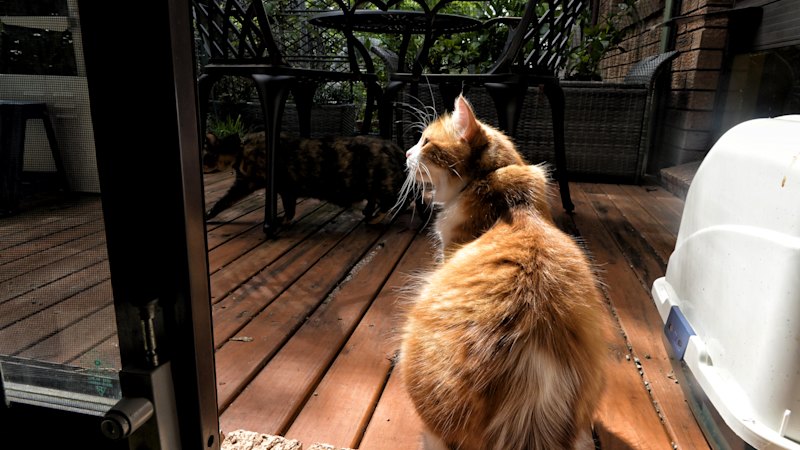
Local councils in Western Australia are reviewing and implementing new laws regarding cat containment, which could soon require pets to be confined to their owners' properties. This initiative aims to address concerns about roaming cats, which can impact native wildlife and public health. Several councils are currently in the process of debating or enacting these measures, with some already having existing regulations in place. Residents are advised to stay informed about the specific rules being considered or enforced by their local government. The potential restrictions are part of a broader effort to manage domestic animal populations and their effects on the environment. The exact nature of the containment, whether it means keeping cats indoors or within secure outdoor enclosures, will likely vary by council. Further details on the specific requirements and timelines are expected to be released by individual local governments in the coming months. This move reflects a growing trend in animal management policies across Australia, focusing on responsible pet ownership and biodiversity protection.
The proposed cat containment laws in Perth reflect a growing societal tension between pet ownership freedoms and the ecological impact of domestic animals. As urban environments expand, the pressure on native wildlife intensifies, prompting governments to consider regulatory measures. These policies aim to mitigate the negative externalities of free-roaming pets, such as predation on native species and the spread of disease. From a governance perspective, the challenge lies in balancing public safety, animal welfare, and the rights of pet owners with conservation goals. The effectiveness of such measures will depend on clear communication, enforcement mechanisms, and community engagement. Looking ahead, similar debates are likely to emerge in other urban centers grappling with biodiversity loss, highlighting the need for integrated urban planning that accounts for both human and non-human inhabitants.
AI-generated to prompt reflection — not editorial opinion, not advice, not a statement of fact. How this works.