Perth Developer Testifies in Defamation Trial Over Alleged Government 'Headache' Remark
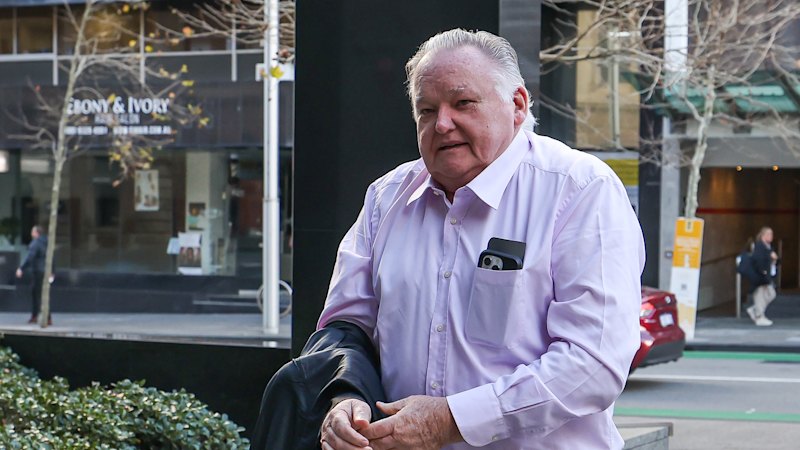
A Perth property developer has testified in a defamation trial that has been ongoing for over seven years. The trial began its second day with the developer taking the stand. He claims that a representative of the Western Australian government approached him to resolve what they described as a 'headache.' The specifics of this 'headache' and the nature of the resolution proposed are central to the ongoing legal proceedings. The developer's testimony is expected to shed light on the interactions and alleged statements made by the government. This case highlights potential issues of influence and communication between private developers and public officials in Western Australia. The long duration of the trial suggests the complexity of the evidence and legal arguments involved. The outcome could have implications for future dealings between the property development sector and government bodies in the region.
This defamation case involves a property developer and the Western Australian government, stemming from an alleged remark about resolving a 'headache.' The protracted seven-year duration of the trial suggests complex legal and factual disputes. Such disputes often arise from differing interpretations of communications between private entities and public bodies, particularly when significant financial interests are involved. The case may illuminate the informal channels of communication and problem-solving that can emerge between developers and government officials, and the legal ramifications when these interactions lead to claims of defamation. Understanding the incentives for both parties—the developer seeking to protect their reputation and business interests, and the government potentially seeking expedient solutions—is crucial for a balanced assessment. The trial's resolution could influence transparency and accountability standards in public-private partnerships moving forward.
AI-generated to prompt reflection — not editorial opinion, not advice, not a statement of fact. How this works.