Peru's 2026 Regional and Municipal Elections: New Rules for Poll Workers and Ballots
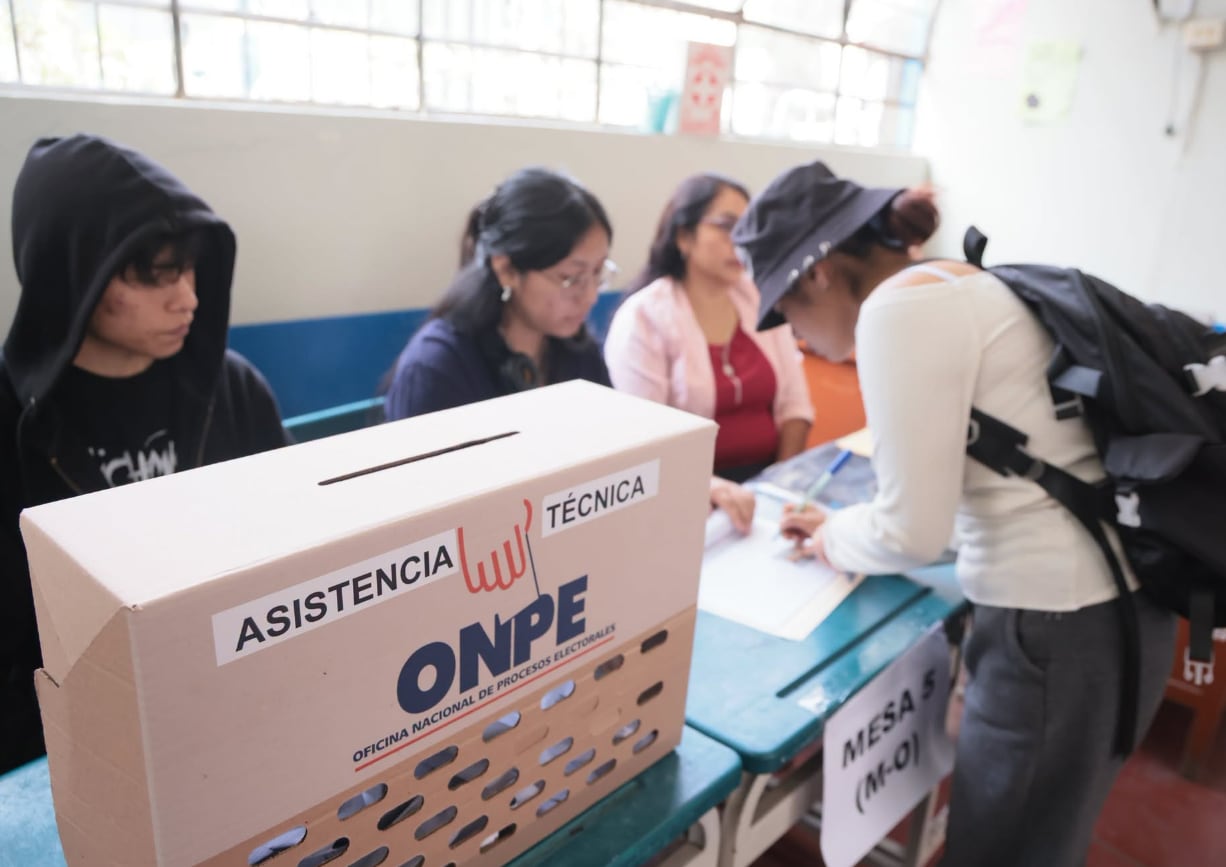
Peru's National Office of Electoral Processes (ONPE) has announced new procedures for the 2026 Regional and Municipal Elections, scheduled for October 4th. A new draw will select poll workers, with 25 citizens per polling station chosen on June 17th. The final selection of nine poll workers per station—three titular and six alternates—will occur on July 24th, conducted by 125 decentralized electoral process offices (ODPE) and overseen by the National Elections Jury (JNE) for transparency. ONPE prioritized candidates with higher education, no prior poll worker experience, no disabilities, and under 65 years old. Excluded from selection are political candidates, electoral officials, elected authorities, and members of the Armed Forces, National Police, and Public Ministry. Poll workers will receive a 165 soles compensation, equivalent to 3% of a tax unit (UIT), as established by Law N°32231. Approximately 270,000 citizens served as poll workers in the 2026 General Elections. For the upcoming elections, up to six different ballot designs will be used, depending on the offices being contested. These designs, approved by ONPE, include a barcode for security and efficiency. Notably, ballots will feature political party names and symbols but not candidate photographs, a change from previous elections. Different background colors will distinguish regional and municipal ballots, with specific colors for governor/vice-governor, regional councilors, provincial municipal authorities, and district municipal authorities. A sixth ballot design is reserved for potential regional governor run-offs. Foreign residents in Peru for over two years, registered with Reniec, can vote in municipal elections in non-border districts, receiving a single ballot for municipal races. Fines for non-compliance are set, with poll workers facing 275 soles (5% UIT) and voters facing varying fines based on their district's poverty level. The number of poll workers per station has increased from six to nine, raising the total from 518,928 in 2021 to 834,660 for 2026.
The electoral reforms in Peru aim to enhance the integrity and efficiency of the 2026 Regional and Municipal Elections. By increasing the number of poll workers and introducing distinct ballot designs, electoral authorities seek to bolster security and clarity. The exclusion of candidate photographs from ballots, while potentially impacting voter recognition in some regions, aligns with a focus on party platforms and symbols, potentially encouraging a more issue-based voting approach. The tiered fine structure for non-compliance, linked to socioeconomic indicators, reflects an attempt to balance civic duty with economic realities, though its effectiveness will depend on consistent enforcement and public perception. These adjustments, particularly the expanded poll worker roles and the introduction of specialized ballots, represent a systemic effort to manage the complexity of Peru's decentralized electoral landscape, anticipating challenges related to voter turnout and administrative oversight in the coming decade.
AI-generated to prompt reflection — not editorial opinion, not advice, not a statement of fact. How this works.