Peru's Roberto Sánchez Concedes Defeat to Keiko Fujimori in Presidential Election
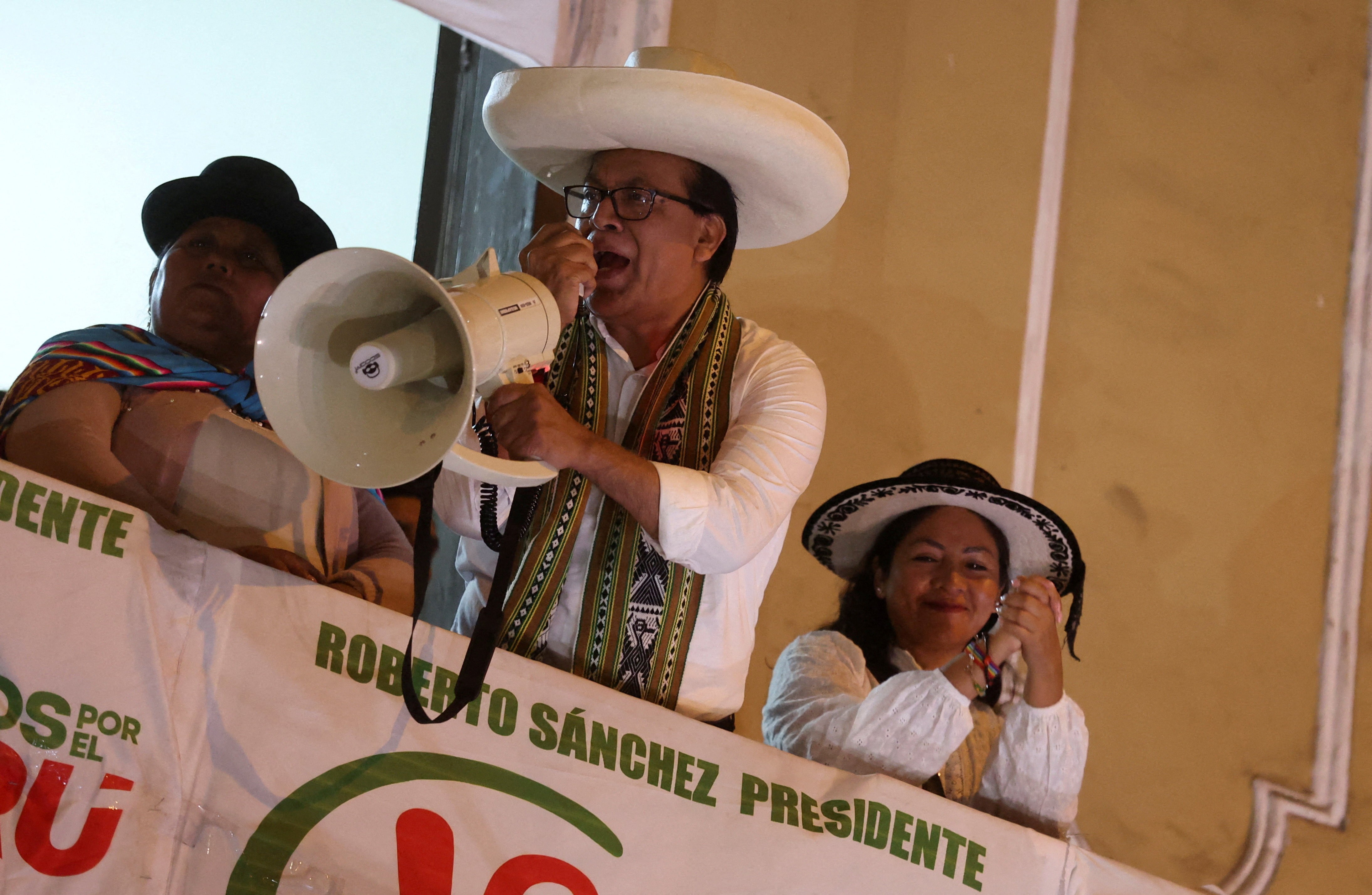
Roberto Sánchez, the left-wing presidential candidate in Peru, has officially recognized his defeat in the recent election against conservative Keiko Fujimori. This acknowledgment comes three days after Peruvian electoral authorities declared Fujimori the winner. Sánchez and his party, Juntos por el Peru, issued a statement confirming they recognize the National Electoral Commission's official proclamation of the results. Earlier, Sánchez had alleged "fraud in progress" during the vote count and his party filed legal actions to annul votes from Lima and abroad, citing patterns that favored Fujimori. The National Electoral Jury (JNE), Peru's highest electoral body, ratified Fujimori's victory on Friday, June 3rd. Fujimori secured 50.135% of the vote with 9,223,396 ballots, narrowly defeating Sánchez, who received 49.865% with 9,173,755 votes. The election, held on June 7th, was characterized by extreme polarization, with only 49,641 votes separating the two candidates after weeks of counting. The JNE dismissed Sánchez's request to invalidate overseas votes, which would have favored him if counted solely within Peru. Fujimori, daughter of former dictator Alberto Fujimori, is set to assume leadership amidst rising crime and significant social challenges, and faces a deeply divided legislature. Peru has experienced severe political instability, with eight presidents in the last eight years, including interim leaders who served only a few months due to scandals and political maneuvers.
The concession by Roberto Sánchez marks the formal end of a contentious electoral process in Peru, highlighting a deeply polarized electorate. Keiko Fujimori's victory, though narrow, underscores the persistent political divisions within the nation. Her upcoming presidency will likely be defined by the challenge of governing amidst significant social and economic pressures, compounded by a fractured Congress. The recurring pattern of presidential instability in Peru, with multiple leaders removed or replaced in short succession, suggests systemic governance challenges that transcend individual administrations. Future administrations will need to address the underlying causes of this instability, potentially through electoral reforms or strengthening institutional checks and balances, to foster long-term political predictability and public trust.
AI-generated to prompt reflection — not editorial opinion, not advice, not a statement of fact. How this works.