Peruvian farmer sues German energy giant RWE over climate change impacts
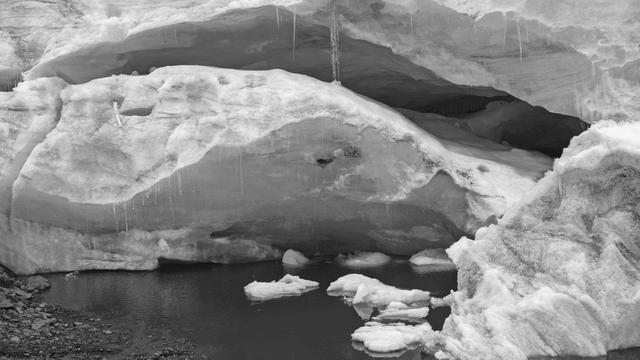
A farmer from Peru has filed a lawsuit against the German energy company RWE. The case questions whether a corporation can be held responsible for a disaster occurring 10,500 kilometers away. This legal action highlights the growing international debate surrounding corporate accountability for climate change-related damages. The farmer's claim centers on the threat posed by melting glaciers, which are a direct consequence of global warming. The lawsuit seeks to establish a precedent for holding major polluters liable for the impacts of their historical emissions, even when those impacts manifest in distant regions. The core of the legal challenge lies in connecting RWE's past emissions to specific, observable environmental threats in Peru. This case is part of a broader trend of climate litigation targeting large corporations and governments worldwide. The outcome could have significant implications for future legal battles over climate responsibility and corporate environmental duties. The legal proceedings will likely examine complex issues of causation, liability, and the geographical scope of corporate responsibility in the context of climate change.
This lawsuit probes the complex nexus of historical carbon emissions, corporate responsibility, and the geographically dispersed impacts of climate change. It challenges traditional legal frameworks by seeking to attribute liability for environmental harm occurring thousands of kilometers from the alleged source of pollution. The case raises fundamental questions about the legal standing of individuals and communities impacted by climate change and the extent to which corporations can be held accountable for contributing to global warming through their past operations. Examining this through a future lens, the case could influence how international law evolves to address transboundary environmental damages and the increasing imperative for climate adaptation and mitigation efforts. The legal and ethical implications of such cases will likely shape corporate governance and sustainability strategies in the coming decade, as the world grapples with the systemic risks of climate change.
AI-generated to prompt reflection — not editorial opinion, not advice, not a statement of fact. How this works.