Peruvian Markets Navigate 2021 & 2026 Election Uncertainty
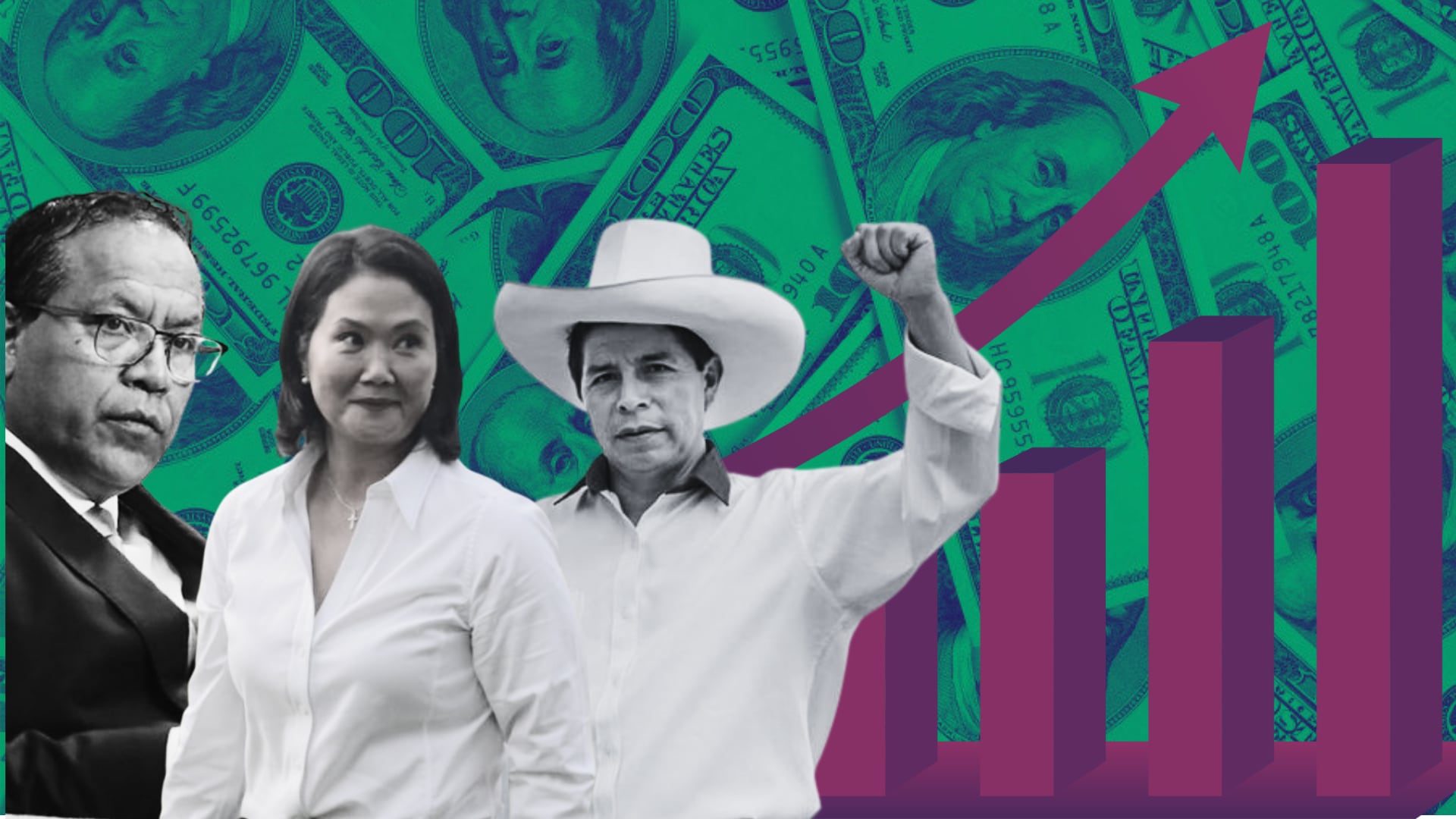
Peru's financial markets experienced a less severe impact from the 2026 electoral runoff compared to the significant capital flight observed during the second round of elections in 2021. While the 2021 election cycle led to a notable outflow of capital, the recent 2026 runoff saw a more muted reaction in financial indicators. This suggests a potential shift in market sensitivity or perhaps a greater resilience developed by Peruvian financial systems. The article aims to analyze these reactions and forecast the market's performance for the remainder of the current year, considering the ongoing political landscape. The comparison between the two electoral periods highlights how political noise can influence economic stability. Understanding these market dynamics is crucial for investors and policymakers alike. The analysis will likely delve into specific financial indicators that were affected and the magnitude of these changes. Further insights into the factors contributing to this difference in market reaction are expected.
The Peruvian market's differentiated response to electoral events in 2021 and 2026 suggests evolving investor sentiment and potentially improved institutional capacity to absorb political volatility. While capital flight is a rational response to perceived policy uncertainty, the diminished impact in 2026 may indicate that market participants have either adjusted their risk models or are factoring in different future economic scenarios. This resilience, if sustained, could foster greater long-term investment stability. However, the underlying political factors driving this 'noise' remain a critical determinant of future market performance, requiring ongoing vigilance from policymakers to ensure predictable economic governance and mitigate potential future shocks.
AI-generated to prompt reflection — not editorial opinion, not advice, not a statement of fact. How this works.