Peshawar University Professor Gul Rahim Khan Receives Prestigious Ashoka Prize in London
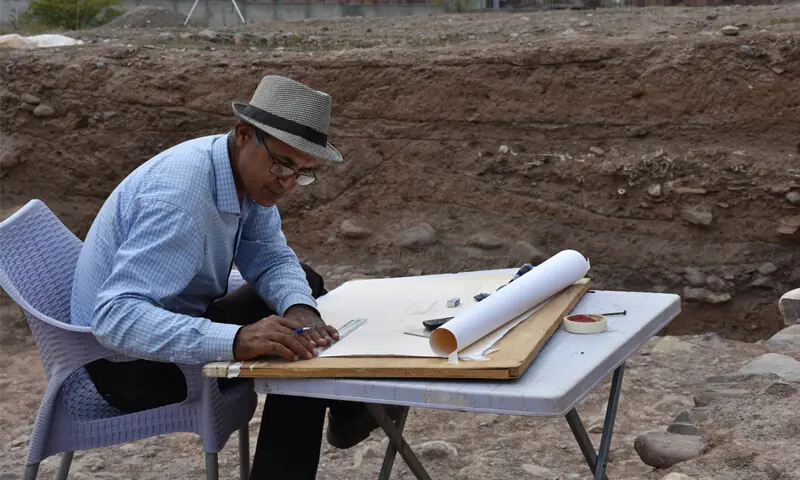
Professor Gul Rahim Khan, a senior academic from the University of Peshawar's Department of Archaeology, has been honored with the Oriental Numismatic Society (ONS) Ashoka Prize 2025. This award, presented in London, recognizes his exceptional research paper titled “Attribution of Coins to the Queens of the Utpala Dynasty of Medieval Kashmir.” Professor Khan's work was published in the Journal of the Oriental Numismatic Society (JONS) during 2025. He highlighted the profound historical significance of ancient coinage, describing coins as "metallic documents" that provide crucial evidence where written records are scarce. His research specifically sheds light on the socio-political status and agency of female rulers in medieval Kashmir, an aspect often neglected in traditional historical accounts. Professor Khan brings over three decades of experience in higher education, archaeology, and academic leadership to his field. His academic journey includes doctoral specialization in ancient coinage and research collaborations with institutions like the British Museum and the Smithsonian Institution. He has made significant contributions to understanding ancient monetary systems and trade routes in the Gandhara region through his extensive publications. Furthermore, his excavations at the Hayatabad site in Peshawar have uncovered early urban industrial complexes, underscoring Peshawar's archaeological importance. Professor Khan stressed the need for training young scholars in modern scientific methodologies to preserve and interpret Pakistan's rich archaeological heritage, noting that international accolades validate the global standard of Pakistani academic research.
This award acknowledges Professor Gul Rahim Khan's specialized academic contributions to numismatics and medieval Kashmiri history, particularly concerning the role of female rulers. The recognition from the Oriental Numismatic Society in London, a body focused on the study of coins, underscores the value of interdisciplinary approaches that combine archaeology, history, and material culture. Professor Khan's emphasis on coins as primary historical documents highlights a methodological perspective that can enrich historical narratives, especially in regions with fragmented written records. His call for modern scientific training for young scholars points to a broader challenge in heritage preservation and academic research in Pakistan, suggesting that leveraging international standards and collaborations is key to unlocking the full potential of the nation's historical wealth. This event also illustrates the global reach of specialized academic research and the importance of recognizing contributions that illuminate often-overlooked aspects of past societies.
AI-generated to prompt reflection — not editorial opinion, not advice, not a statement of fact. How this works.