Pest Control Worker Arrested for Stealing Convent's Bank Card and Spending $30,000
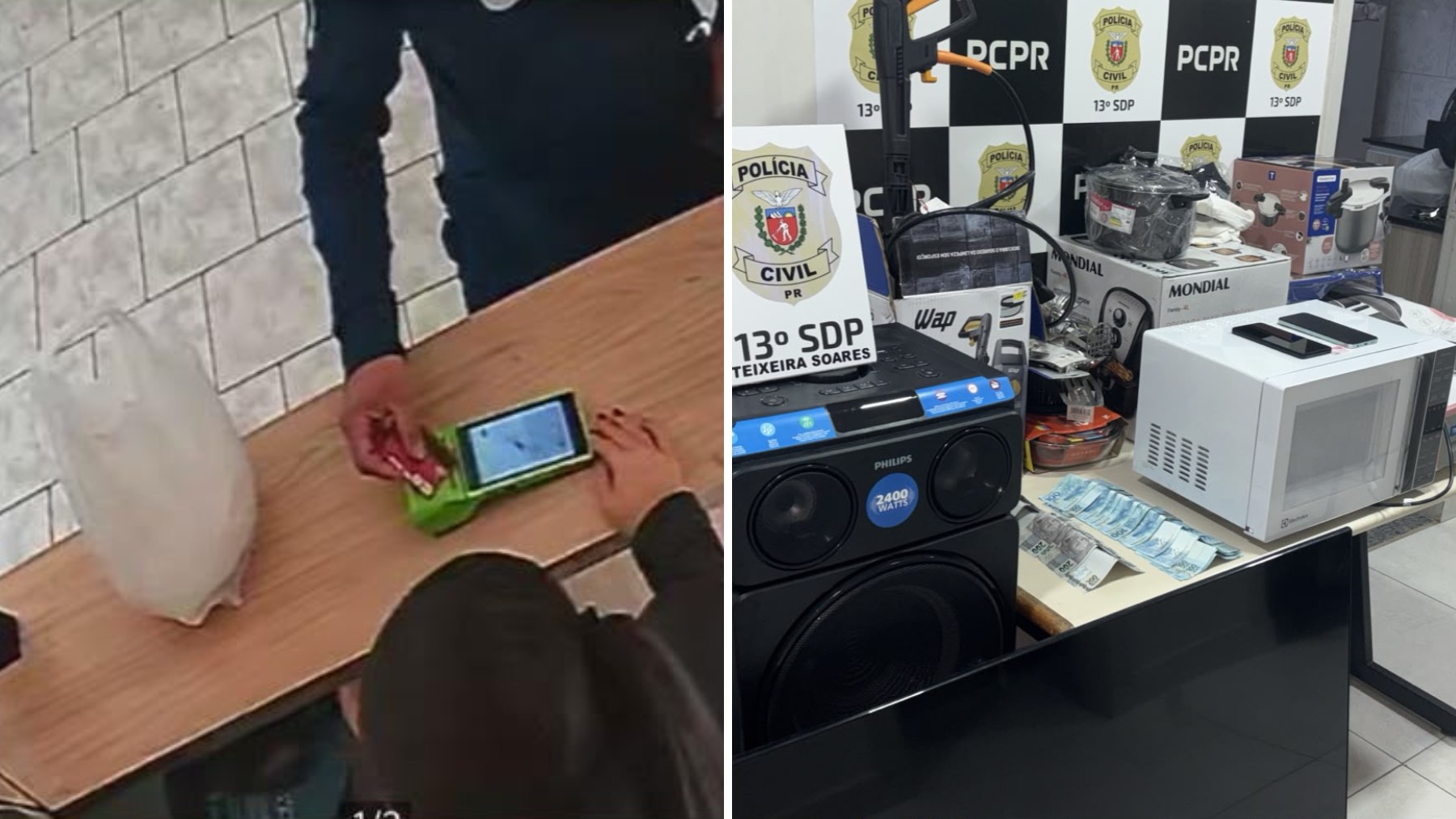
A 39-year-old man has been arrested in Ponta Grossa, Paraná, Brazil, on suspicion of stealing a bank card from a convent in Teixeira Soares and making purchases totaling R$30,000 (approximately $5,700 USD). The suspect, an employee of a pest control company hired by the religious institution, allegedly took advantage of the nuns' temporary absence during a pest treatment to search the premises. He reportedly found the bank card along with its PIN written on a piece of paper. The theft occurred in early June, but the nuns only reported the missing card a month later. During the investigation, the nuns identified the pest control professional as the only outsider who had entered the convent. Police reviewed the card's transaction history and security footage from stores, confirming the suspect made purchases including cell phones, a television, audio equipment, and other appliances. He also withdrew over R$6,000 in cash using the stolen card. The suspect has prior arrests for theft committed while providing residential services, such as internet installations. The pest control company is not implicated in the crime.
This incident highlights vulnerabilities in service provider access to private spaces, particularly for institutions like convents that may have limited security protocols. The suspect's prior offenses suggest a pattern of exploiting trust during service provision, indicating potential systemic issues in background checks for contract workers. The substantial financial loss underscores the need for robust internal controls and oversight of financial instruments, even for religious organizations. Future considerations may involve enhanced vetting processes for external contractors and implementing stricter protocols for handling sensitive information like bank card PINs, especially in environments with vulnerable populations. This case also points to the importance of prompt reporting and diligent investigation by law enforcement to mitigate financial damage and ensure accountability.
AI-generated to prompt reflection — not editorial opinion, not advice, not a statement of fact. How this works.