Pet Gecko's Natural Tumors Offer New Hope for Cancer Research
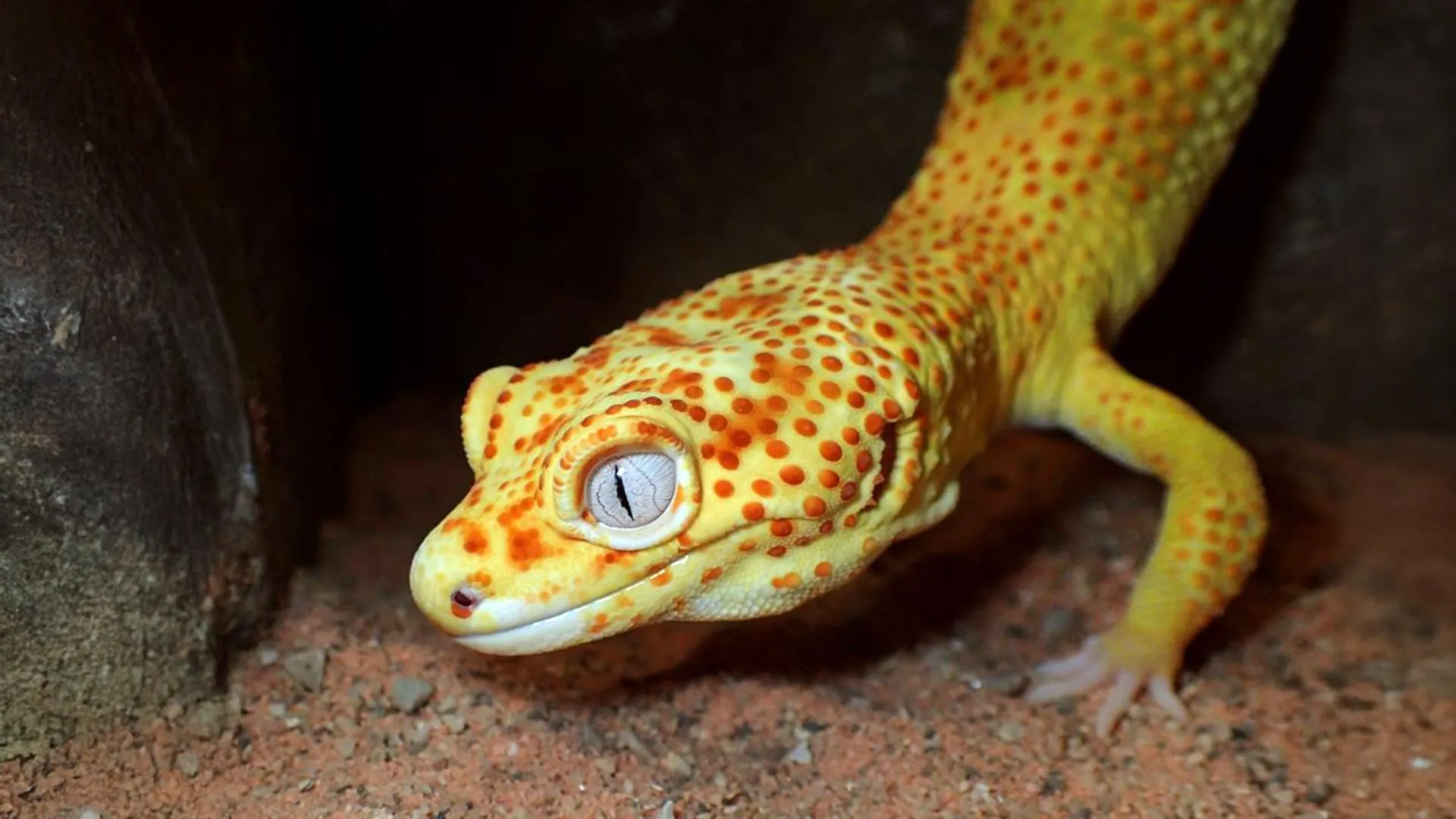
An unusual leopard gecko that spontaneously develops aggressive tumors is poised to become a significant new model for cancer research. Scientists have discovered that the tumors in this gecko exhibit key genetic alterations that are also found in human cancers. This unique characteristic provides a rare and valuable opportunity to study the progression of cancer as it occurs naturally within a living organism. The gecko's natural development of these growths allows researchers to observe the disease's evolution without artificial induction. This could lead to a deeper understanding of the underlying mechanisms driving cancer growth. The findings offer a promising avenue for developing novel therapeutic strategies. By studying this natural model, scientists aim to unlock crucial secrets about cancer's development and potential vulnerabilities. The research holds the potential to significantly advance our knowledge and treatment of various human cancers.
The discovery of a naturally occurring cancer model in a leopard gecko presents a compelling case for exploring comparative oncology. This biological anomaly offers a unique window into cancer's genetic underpinnings, potentially revealing conserved pathways across species. Such models can accelerate the identification of therapeutic targets and drug efficacy testing by bypassing some limitations of cell cultures or induced animal models. The long-term implications may involve refining our understanding of cancer evolution and identifying novel biomarkers. Future research will likely focus on the specific genetic drivers and the gecko's immune system's interaction with the tumors, offering insights into resistance mechanisms and potential therapeutic interventions.
AI-generated to prompt reflection — not editorial opinion, not advice, not a statement of fact. How this works.