Pet Shop Owner Arrested in Bauru for Selling Banned Pesticides and 'Chumbinho'
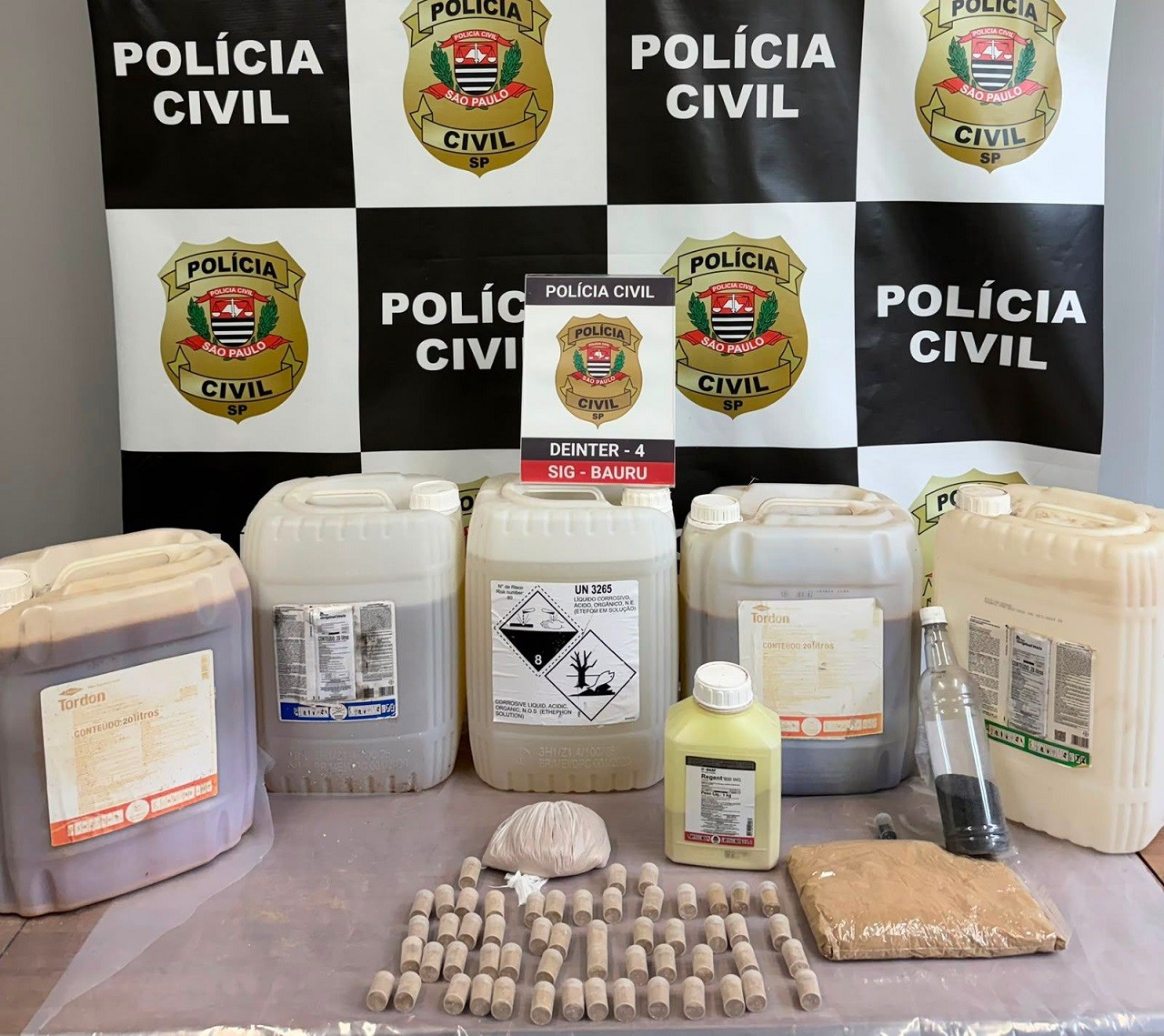
The owner of a pet shop in Bauru, São Paulo, was arrested on Monday, August 6th, on suspicion of illegally selling and storing banned pesticides and a substance known as 'chumbinho'. The arrest followed anonymous tips to the General Investigations Sector (SIG) of the Judicial Police Central (CPJ) in Bauru, indicating the shop in Vila Industrial was selling prohibited products. During a judicial search, officers discovered bags of Regent, an insecticide and termiticide containing fipronil, which is restricted to agricultural supply stores, concealed within the shop's counter. They also found a plastic bottle with a substance resembling 'chumbinho', a highly toxic rodenticide, and a small container of the product prepared for sale. The 42-year-old owner allegedly used a construction site opposite the pet shop to store other restricted or banned substances. He reportedly told police he sold these products only to select clients, such as owners of small farms, and admitted to diluting Regent to apply to dogs during grooming services to combat fleas and ticks. The man was arrested in flagrante delicto under the Pesticide Law, which carries a prison sentence of 3 to 9 years and a fine for unauthorized commercialization or storage of such products. He has been transferred to the Avaí Public Jail, awaiting further judicial proceedings.
This incident highlights a critical regulatory gap concerning the accessibility of potent chemical agents, even outside their intended agricultural applications. The pet shop owner's alleged use of banned pesticides and 'chumbinho' on animals, and his claims of selling them to farm owners, suggest a demand for readily available, albeit dangerous, pest control solutions. This situation raises questions about the effectiveness of current distribution controls for restricted substances and the potential for their diversion into unregulated markets. Future considerations should include enhanced oversight of chemical sales, particularly for products with dual-use potential, and public education campaigns on the severe health risks associated with improper application, especially to vulnerable populations like pets and potentially humans. The legal framework's penalties underscore the gravity of these offenses, aiming to deter future illicit activities and protect public and animal health.
AI-generated to prompt reflection — not editorial opinion, not advice, not a statement of fact. How this works.