Peter Falconio Murder: New Footage Shows Killer Denying Knowledge of Body's Location
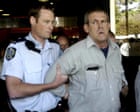
Northern Territory Police have released body-worn camera footage showing Bradley John Murdoch, the convicted killer of Peter Falconio, aggressively denying any knowledge of the backpacker's burial site. The interview took place weeks before Murdoch's death. This release comes just days before the 25th anniversary of the murder of the 28-year-old British tourist. Falconio disappeared on July 14, 2001, while traveling on the Stuart Highway near Barrow Creek in Australia's Outback. Murdoch was convicted in 2001 for the murder, but Falconio's body has never been found. The footage offers a new perspective on the investigation, highlighting the killer's persistent refusal to cooperate with authorities regarding the location of the victim's remains. Despite the conviction, the absence of Falconio's body continues to be a significant unresolved aspect of the case. The release of this footage by NT Police aims to provide further insight into the final days of the investigation and the perpetrator's actions.
The release of this footage 25 years after Peter Falconio's murder, and shortly before his conviction anniversary, raises questions about the motivations behind its disclosure. While it offers a glimpse into the investigation, it does not advance the primary objective of locating the victim's remains. The footage primarily serves to underscore the perpetrator's lack of cooperation, a fact already established by his conviction. From a systemic perspective, such releases can sometimes be intended to manage public interest or potentially to prompt new information, though the latter is less likely given the passage of time and the perpetrator's death. The enduring mystery of the body's location highlights the challenges in achieving full justice when critical evidence remains elusive, impacting the closure for the victim's family and the completeness of the historical record.
AI-generated to prompt reflection — not editorial opinion, not advice, not a statement of fact. How this works.