Petrópolis Blood Bank Urgently Appeals for Donations Amid Critically Low Stocks
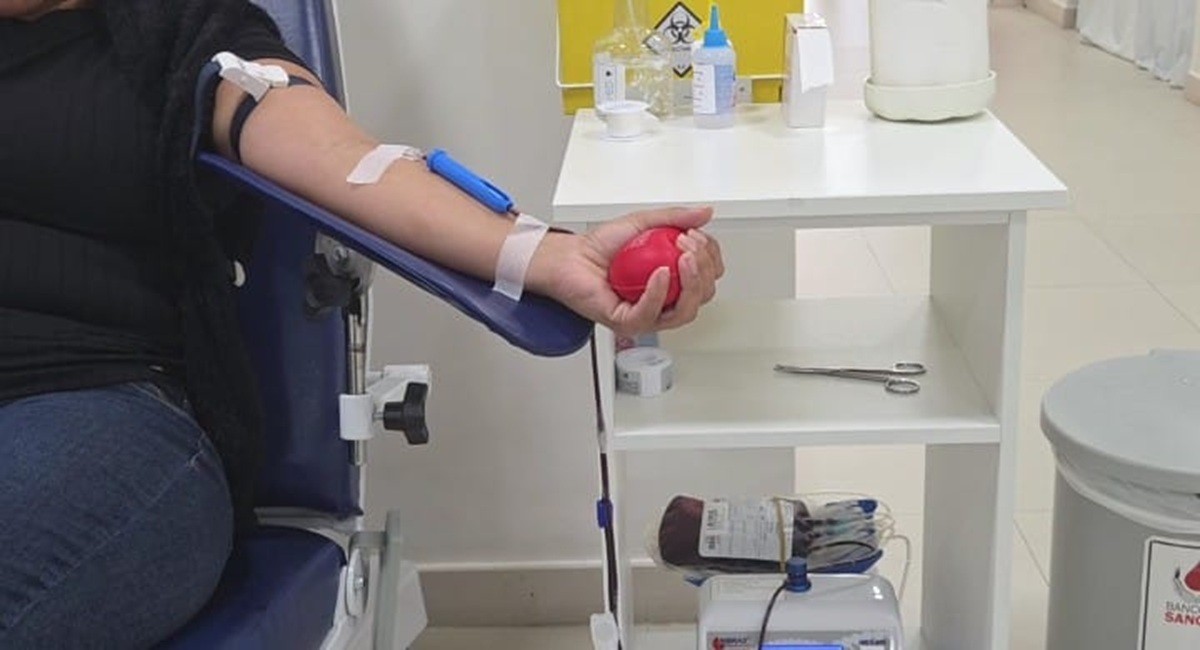
The Santa Teresa Blood Bank in Petrópolis, located in the Serrana region of Rio de Janeiro, is facing a critical shortage of blood supplies. The institution is appealing to the public for donations due to a significant drop in donor numbers combined with an increase in transfusion demand. Thainá Mariano, a donor recruiter at the bank, explained that the winter season typically sees fewer donations due to a rise in flu cases. She noted that individuals who have recovered from the flu can donate blood seven days after their symptoms have completely disappeared. Last week, the blood bank experienced a surge in demand, needing to support victims of accidents and patients undergoing treatment.
Mariano highlighted the severity of the situation, stating, "We need an average of 50 to 60 donors per day, but currently, we are not even reaching 30. We are concerned because the number of patients continues to rise, while the number of donors only decreases." The blood bank requires an average of 50 to 60 donors daily but is currently receiving fewer than 30. Eligible donors must be in good health, weigh over 50 kilograms, and be between 16 and 69 years old, with first-time donors needing to be under 60. Minors require parental consent. Potential donors are advised not to fast before donating and to avoid fatty foods in the hours leading up to the procedure. The Santa Teresa Blood Bank is located at Rua Doutor Paulo Hervê, nº 1.130, in the Bingen neighborhood, and operates daily from 8 AM to 6 PM, including weekends and holidays.
The critical blood stock levels at the Santa Teresa Blood Bank underscore a recurring challenge in public health systems: balancing consistent supply with fluctuating demand. Seasonal factors, such as increased illness during winter, predictably reduce donor availability. Simultaneously, unforeseen events like accidents and ongoing medical treatments create surges in demand. This dynamic highlights the need for proactive strategies beyond immediate appeals. Exploring incentives for regular donors, optimizing outreach during periods of lower demand, and potentially leveraging technology for appointment scheduling and donor management could build a more resilient supply chain. Furthermore, public health campaigns could focus on destigmatizing donation and educating the population on its continuous necessity, fostering a culture of consistent giving rather than reactive responses to crises. Addressing these systemic issues is crucial for ensuring healthcare continuity in the face of predictable and unpredictable pressures.
AI-generated to prompt reflection — not editorial opinion, not advice, not a statement of fact. How this works.