Petrópolis Hospital Faces Scrutiny Over Patient Nutrition and Food Quality
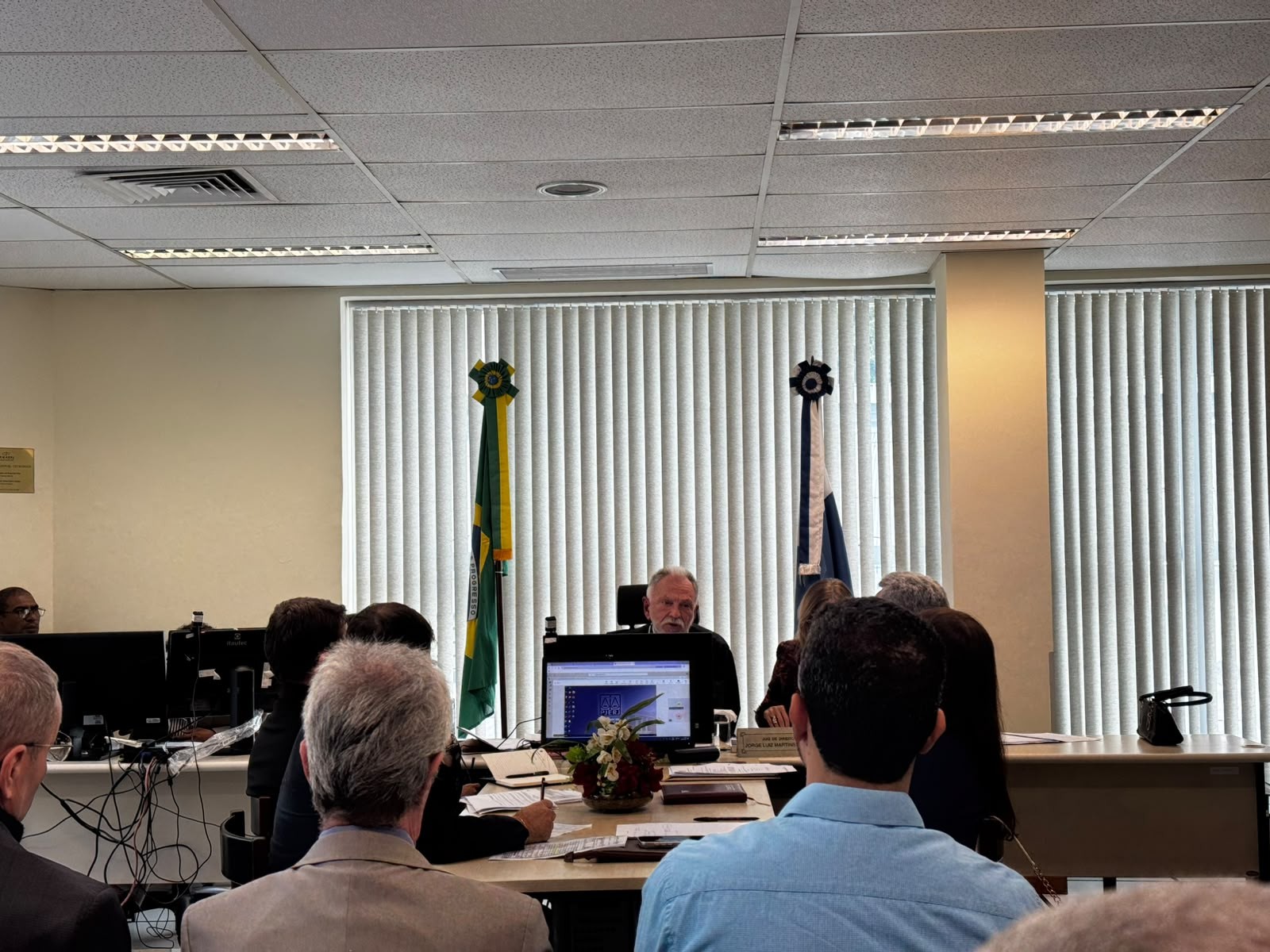
A court hearing in Petrópolis, Rio de Janeiro, addressed serious concerns regarding the food provided at the Alcides Carneiro Hospital (HAC). Representatives from the hospital confirmed that for five days, from Wednesday, November 1st, to Sunday, November 5th, patients and staff were served only eggs as a protein source. This occurred because the municipal government owed the protein supplier, leading to a halt in deliveries. The hospital's nutritionist, Vanessa Wendling, explained that other protein options like beef, chicken, and fish were unavailable from the stock during that period. The hospital's director, Luiz Cruzick, and the Municipal Health Secretary, Clarissa Rippel, corroborated this information. Cruzick stated that a payment was made to the supplier on Friday, November 3rd, but the missing supplies only arrived on Monday, November 6th. The hospital's financial administration revealed a current debt of R$437 million, with R$58 million specifically owed to suppliers. The hearing also addressed a separate complaint by councilman Léo França (PT) about spoiled food found at the facility. Hospital management asserted that a technical team inspects over 50 kilograms of produce daily, and the items found were awaiting inspection before preparation. A moldy tomato was noted, but the nutritionist clarified that produce is always selected before use. Judge Jorge Luiz Martins deemed the situation "extremely serious," violating citizens' rights. The Public Prosecutor's Office recommended daily photographic documentation of all meals served to patients and staff, to be filed with menus as proof of service.
The situation at Alcides Carneiro Hospital highlights critical vulnerabilities in public health infrastructure, particularly concerning supply chain management and municipal financial oversight. The reliance on a single protein source for five days, stemming from a municipal debt to a supplier, points to systemic risks in budgeting and procurement processes for essential services. This event underscores the importance of robust contingency planning for public health facilities to ensure uninterrupted patient care, even amidst financial challenges. The judicial intervention and the Public Prosecutor's recommendation for photographic evidence suggest a move towards greater transparency and accountability in public hospital operations, potentially setting a precedent for improved governance and patient welfare standards across the region in the coming years.
AI-generated to prompt reflection — not editorial opinion, not advice, not a statement of fact. How this works.