Petrópolis Ranks Among Brazil's Best in Water Loss Control
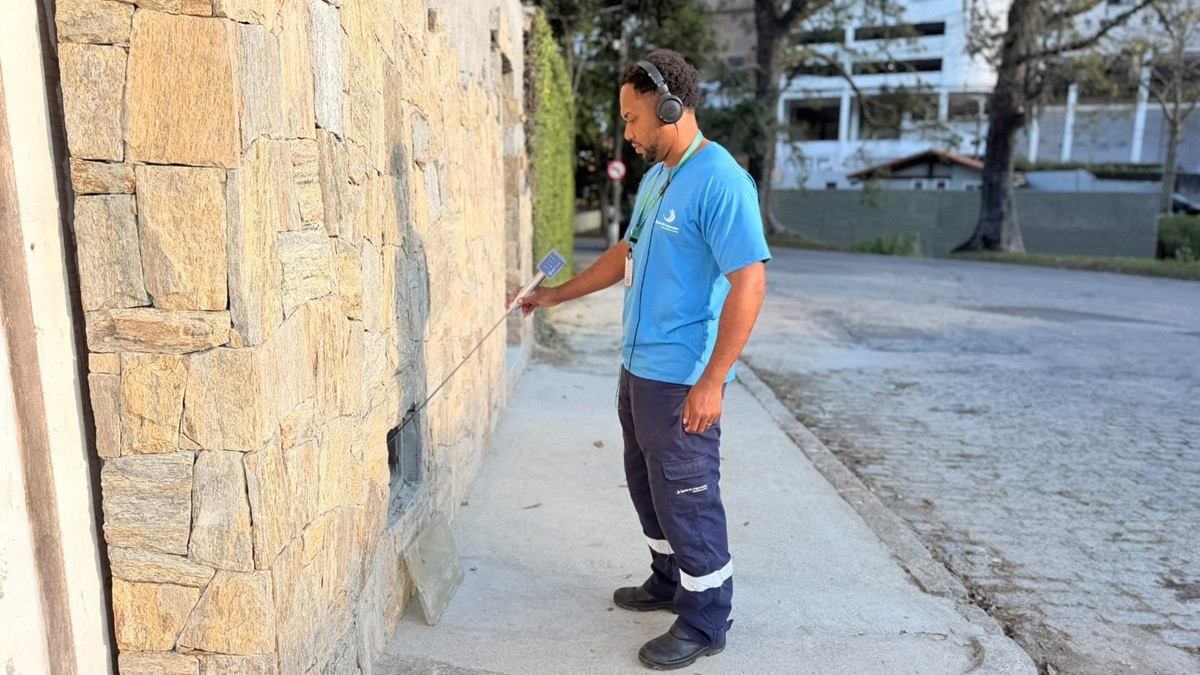
Petrópolis, located in the Serrana Region of Rio de Janeiro, has been recognized as one of Brazil's top municipalities for controlling water loss. A study by the Trata Brasil Institute, in partnership with GO Associados, analyzed data from 2024 and found Petrópolis achieved a distribution water loss rate of 22.28%. This figure places the city 16th among the 100 most populous municipalities in Brazil and is below the national target of 25% set for 2033. The national average for water loss in distribution is significantly higher, at 39.53%, with an estimated annual waste of 4.4 billion cubic meters of treated water nationwide. This wasted volume could supply approximately 77 million people for a year. Mayor Hingo Hammes highlighted the importance of these efforts in the face of climate change and water insecurity, emphasizing Petrópolis's commitment to environmental and social well-being. The city also meets the criteria for excellence set by both the Trata Brasil Institute and the Ministry of Cities, which include distribution losses below 25% and leakage losses under 216 liters per connection per day. Marcio Salles, director of Águas do Imperador, attributed this success to continuous investments in technology, monitoring, and infrastructure upgrades. These actions include identifying non-visible leaks, implementing measurement and control districts, replacing meters and pipes, managing pressure, and utilizing advanced technologies for problem detection. The study, which covered all Brazilian regions, states, and the 100 most populous cities, underscores reducing water loss as a key strategy for enhancing water security and service efficiency.
Petrópolis's achievement in reducing water loss highlights the efficacy of targeted technological investment and infrastructure management within Brazil's water utility sector. The study's findings underscore a systemic challenge across the nation, where average losses represent a substantial drain on resources and hinder water security. By exceeding national targets and meeting excellence criteria, Petrópolis demonstrates a model for other municipalities, suggesting that proactive strategies, including advanced monitoring and leak detection, can yield significant improvements. This focus on efficiency is increasingly critical in an era of climate change and growing demand, where optimizing existing resources is paramount. The long-term implications involve not only environmental conservation but also economic benefits through reduced operational costs and enhanced service reliability for citizens, potentially setting a precedent for national water management policy.
AI-generated to prompt reflection — not editorial opinion, not advice, not a statement of fact. How this works.