Petrópolis sewage treatment plant expansion to benefit over 40,000 residents
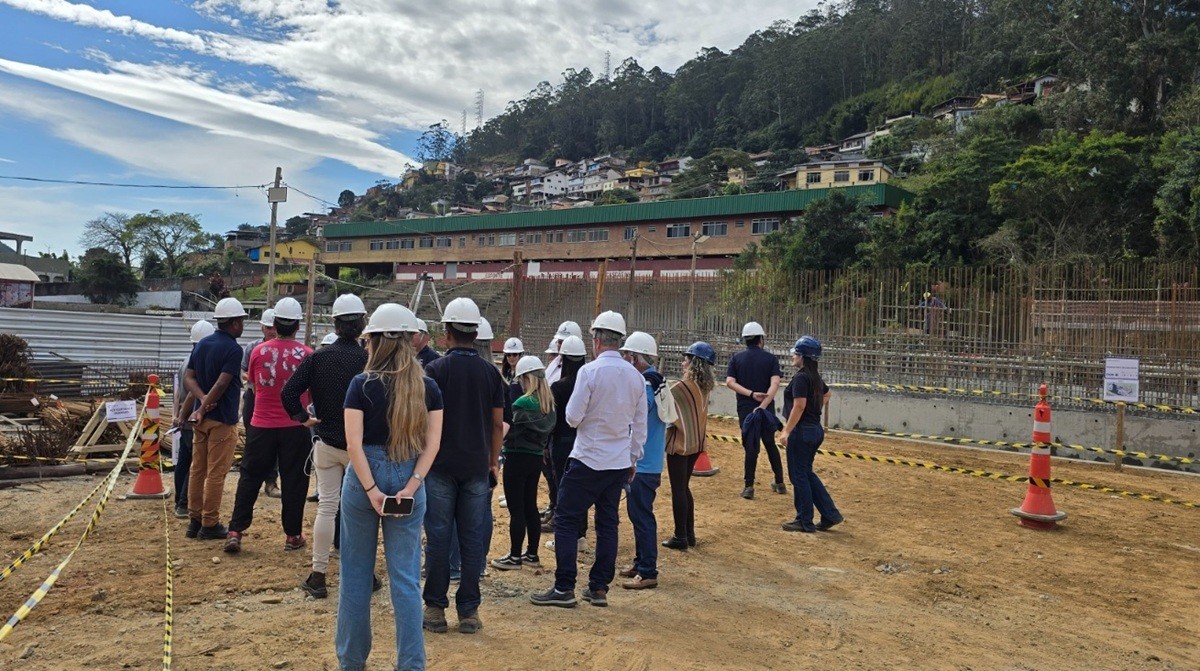
Construction of the Itamarati Sewage Treatment Station (ETE) in Petrópolis, Rio de Janeiro, is progressing as a key sanitation project for the municipality. With an investment of R$ 105 million, the facility will have the capacity to treat up to 90 liters of sewage per second. This expansion is expected to benefit more than 40,000 residents across various neighborhoods, including Humberto Rovigatti, Nova Cascatinha, Cascatinha, Pouso Alegre, Boa Vista, Alcobacinha, Bela Vista, Itamarati, Rua do Túnel, Floresta, and Estrada da Saudade. The project aims to significantly increase Petrópolis's sewage collection and treatment capabilities.
As part of community engagement, Águas do Imperador, the concessionaire, organized a technical visit for community leaders, institutional representatives, and local residents. During this visit, participants were briefed on the construction progress, the future station's operations, and its anticipated positive impacts on the population and environment. Engineers and concessionaire representatives detailed completed stages, upcoming work, and the expected environmental and sanitary benefits.
Alessandra Nunes da Costa, Engineering Manager at Águas do Imperador, emphasized the value of community leader involvement in communicating the project's importance to residents. Hélito Fráguas, a community leader from Vale do Itamarati, expressed hope that the river could be restored as a recreational space for future generations. Lucilene Stephano, a community leader from Bela Vista, highlighted the project's role in improving basic sanitation in their region. These outreach efforts are part of the Social Work Project (PTS), aimed at fostering dialogue and community connection with the sanitation infrastructure development. The ETE Itamarati is part of Águas do Imperador's broader investment plan, which includes approximately R$ 330 million in water supply and sewage system upgrades in Petrópolis by 2033. Márcio Salles, the concessionaire's director, described the Itamarati station as a milestone for the city's sanitation, transforming quality of life and the local environment.
The expansion of sewage treatment infrastructure in Petrópolis represents a significant public health and environmental investment, addressing long-standing sanitation challenges. By increasing treatment capacity to serve over 40,000 residents, the project aims to improve water quality and reduce the environmental burden on local ecosystems. The proactive engagement with community leaders suggests a strategic effort to build public trust and facilitate the integration of new infrastructure into the urban fabric. Looking ahead, the success of such projects will depend not only on technical execution but also on sustained governance and community collaboration to ensure long-term operational efficiency and environmental stewardship, aligning with broader goals for sustainable urban development in the coming decade.
AI-generated to prompt reflection — not editorial opinion, not advice, not a statement of fact. How this works.