Petrolina Cleared of Dengue, Zika, and Chikungunya Risk in Early 2026
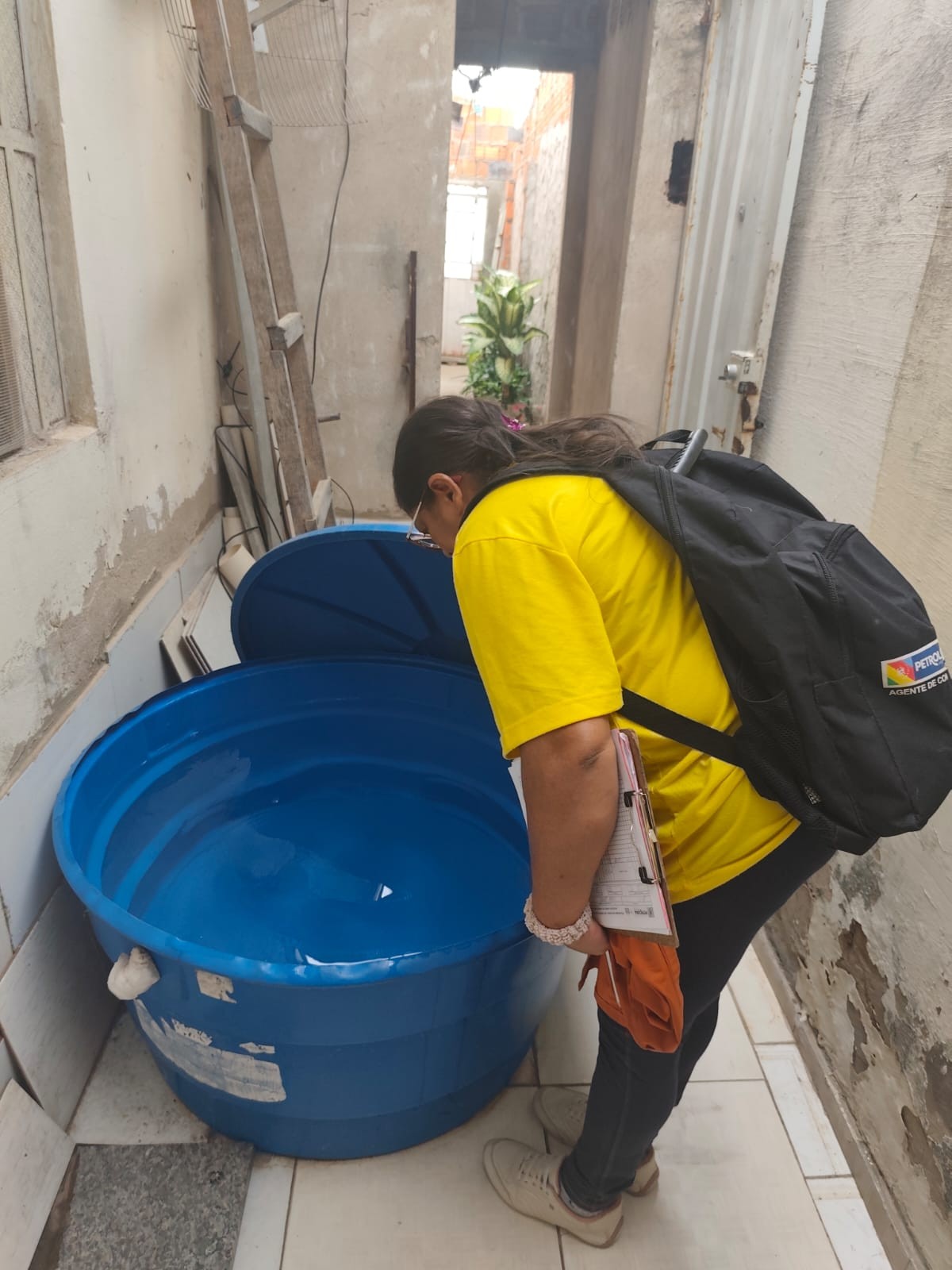
Petrolina has been declared free from the risk of dengue, zika, and chikungunya outbreaks, according to the first Rapid Survey of Indices for Aedes aegypti (LIRAa) of 2026. The survey recorded an overall index of 0.6 in the municipality, a figure deemed satisfactory by the Ministry of Health's standards. Despite this positive outcome, the survey identified two neighborhoods as being in an alert situation: São Gonçalo and Jardim Petrópolis, along with Loteamento São Rafael, Condomínio Sol Nascente, Novo Horizonte, Henrique Leite, Idalino Bezerra, Buona Vitta, and Loteamento Santa Bárbara. Control measures for the Aedes aegypti mosquito will be intensified in these specific areas, involving increased home visits, resident guidance, and the elimination of potential breeding grounds. Throughout 2026, Petrolina has consistently remained outside the risk zone for arboviruses, as indicated by multiple surveys conducted during the year. Municipal authorities attribute this success to ongoing mosquito monitoring, regular property inspections, community cleanup drives, and educational campaigns across the city. The prefecture emphasizes that prevention and surveillance efforts continue in all parts of Petrolina, from the outskirts to the city center. The Health Secretariat advises residents to take basic preventive actions, such as eliminating standing water containers, regularly cleaning gutters, ensuring proper storage of materials, and maintaining well-sealed water tanks.
The successful containment of arbovirus risk in Petrolina, as indicated by the LIRAa 2026 survey, highlights the efficacy of consistent public health interventions. This outcome suggests that sustained investment in mosquito surveillance, community engagement, and targeted elimination of breeding sites can yield significant public health benefits. The identification of specific neighborhoods requiring intensified efforts demonstrates the value of granular data in resource allocation. Looking ahead, the challenge for Petrolina and similar municipalities will be to maintain this vigilance and adapt strategies against evolving environmental factors and potential vector resistance, ensuring long-term resilience in arbovirus prevention.
AI-generated to prompt reflection — not editorial opinion, not advice, not a statement of fact. How this works.