Petrolina Municipal Shelter Boosts Services for Homeless Population Amidst Cold Snap
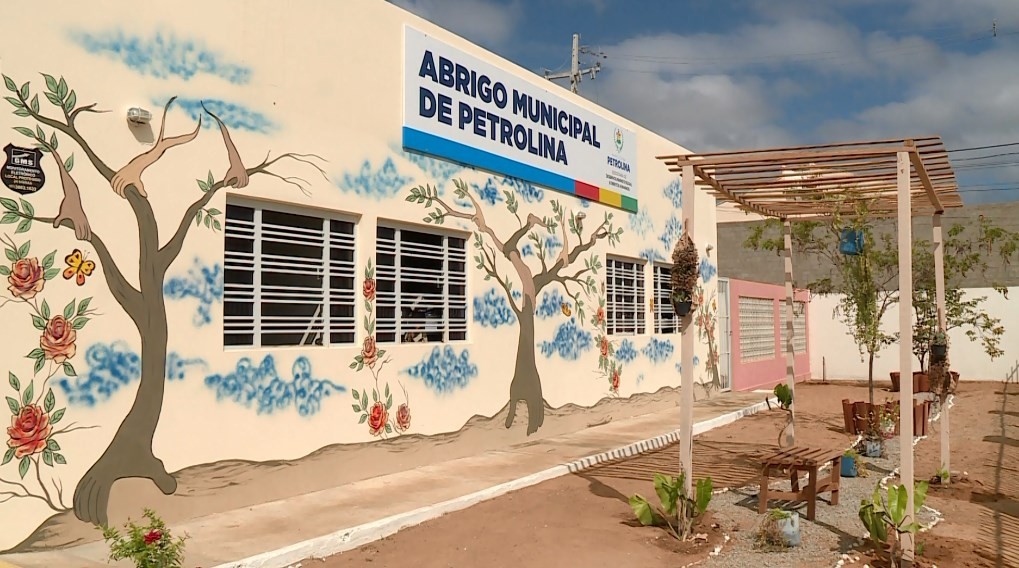
Petrolina's Municipal Shelter has enhanced its services to accommodate the city's homeless population as temperatures drop. The facility, managed by the Secretariat of Social Assistance and Combating Hunger, has a capacity to house up to 45 individuals. Entry into the shelter is facilitated through referrals from the Centro POP or the Specialized Social Approach Service, which conduct initial assessments and guide individuals to the appropriate resources. The shelter provides temporary accommodation, with stays ranging from a single night to three to six months, determined by the technical team's evaluation. The shelter's infrastructure includes five bedrooms, one designated for women, six bathrooms, a laundry area, a computer room, a kitchen, and a dining hall. Residents receive five meals daily. The technical team also manages entry and exit times, considering each person's routine and needs. Support is offered for document issuance and registration in the Cadastro Único, along with referrals to public health services and Reference Centers for Social Assistance (CRAS). The Municipal Shelter, opened in 2022, is located at Rua 14, without a number, in the Jardim São Paulo neighborhood.
As temperatures decrease, municipal shelters in Petrolina are increasing their capacity and services for the homeless. This response highlights a common challenge faced by urban areas globally: providing adequate social safety nets during adverse weather conditions. The shelter's multi-faceted approach, including temporary housing, meals, and support for documentation and social integration, addresses immediate needs while aiming for longer-term solutions. The system's reliance on referral centers like Centro POP and the Specialized Social Approach Service indicates a structured, albeit potentially bottlenecked, pathway for individuals seeking assistance. Future considerations for such services might involve proactive outreach and expanding capacity beyond immediate weather-driven needs to address the systemic factors contributing to homelessness.
AI-generated to prompt reflection — not editorial opinion, not advice, not a statement of fact. How this works.