Petrolina's Quariterê Festival Offers Free Afro-Brazilian Culture Programming
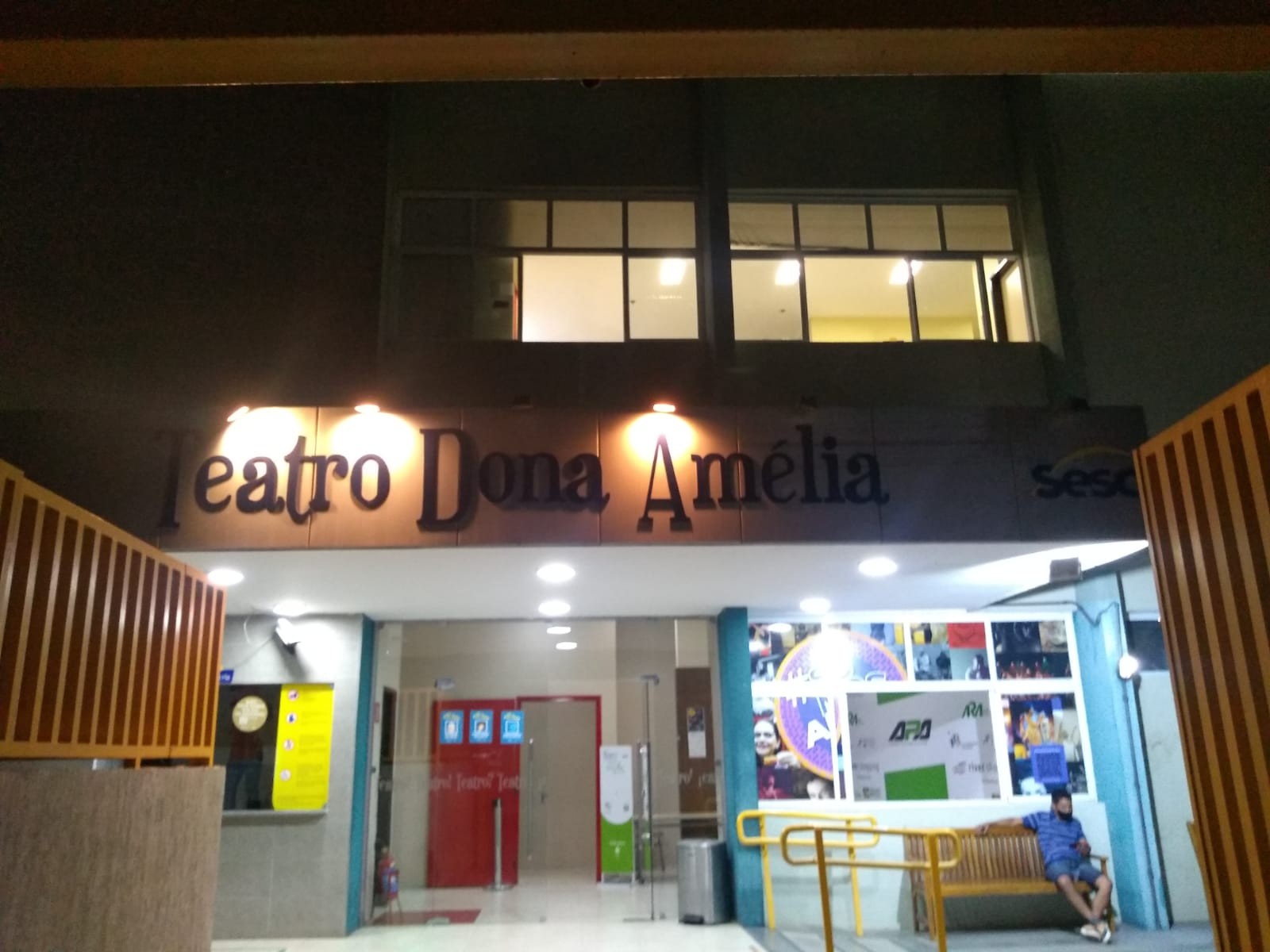
The Sesc Petrolina will host the third edition of the Quariterê Festival from July 30 to August 1 in Petrolina, Brazil. This year's theme, "Black Territorial Memories: Thinking about the contribution of Black women's knowledge and practices, bringing a cartography of identity," is inspired by Tereza de Benguela, a leader of the Quariterê Quilombo in the 18th century. The festival aims to celebrate and value Afro-Brazilian culture, focusing on the contributions of Black women.
All events, including workshops and the full program, are free and accessible through the Sesc website. The festival will take place at Sesc Petrolina, located at Rua Pacífico da Luz, nº 618, in the city center. Attendees can expect a diverse range of activities such as debates, musical performances, storytelling sessions, workshops, and recreational activities for all ages. Highlights include a debate on "Black Cartographies of the Valley: Quilombola Women and Their Trajectories," a musical performance by Curimba de Yá, and storytelling by Nini Kemba Nayo.
Additional offerings include a self-defense workshop for women, a poetry gathering, African-origin games, and an Afro-Brazilian gastronomic experience called "Ancestral Flavors." A special storytelling workshop for children aged 6 and up, titled "Black Literature of Erê," and children's recreational activities are also planned. Some workshops require a donation of 1 kg of non-perishable food for the Sesc Mesa Brasil program.
This festival serves as a cultural platform to highlight Afro-Brazilian heritage and the historical contributions of Black women, particularly through the lens of quilombo communities. By focusing on "Memories," "Territoriality," and "Identity," the event seeks to reclaim narratives and acknowledge marginalized histories. The integration of diverse activities, from debates and music to practical workshops and children's programming, aims for broad community engagement. The model of offering free access, with optional food donations for a social program, balances accessibility with social responsibility. In the context of increasing global awareness around cultural preservation and social equity, such initiatives are vital for fostering inclusive historical understanding and community cohesion, while also providing a counter-narrative to dominant historical accounts.
AI-generated to prompt reflection — not editorial opinion, not advice, not a statement of fact. How this works.