Pharma Stocks Plunge Amid Fears of 200% Trump Tariffs
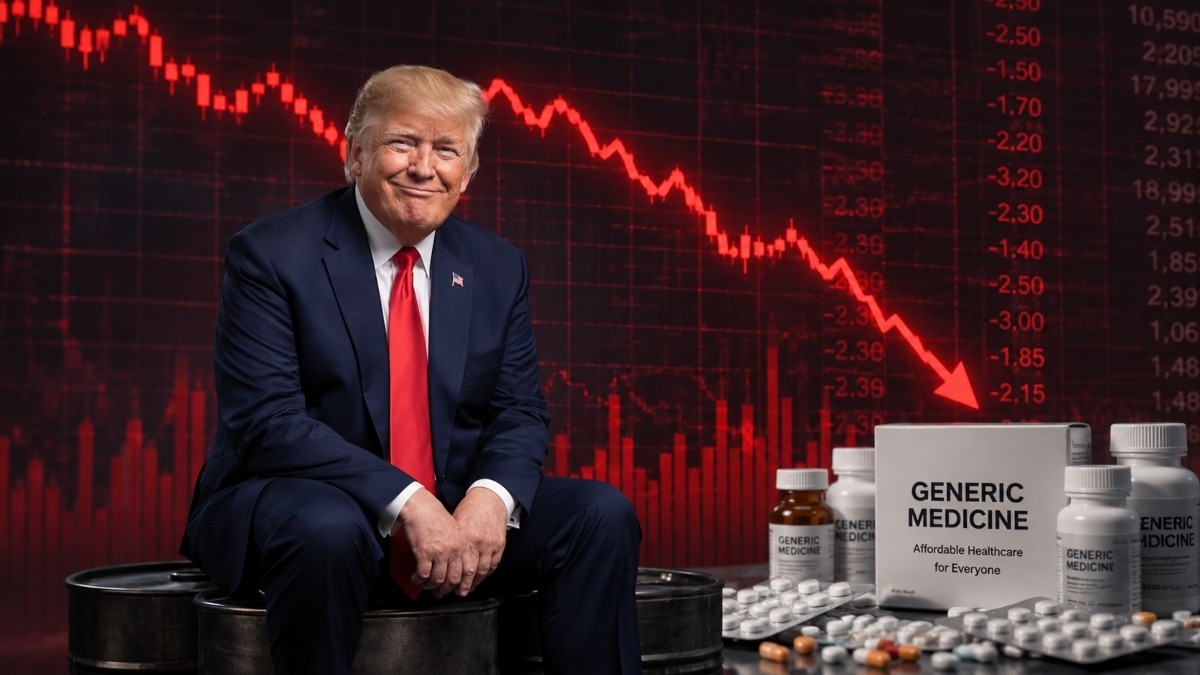
Indian pharmaceutical stocks experienced a significant downturn on Wednesday, with most companies' shares plummeting. This sharp decline is directly linked to concerns over potential tariffs imposed by former U.S. President Donald Trump. Investors are apprehensive about the impact of a possible 200% tariff on pharmaceutical products, which could severely affect the profitability and market access of Indian drug manufacturers. The market sentiment reflects a broader anxiety about trade policies and their potential repercussions on the global pharmaceutical supply chain. Despite some periods of relief, the persistent threat of these tariffs continues to cast a shadow over the sector. The uncertainty surrounding future trade relations with the United States is a major factor driving the sell-off in pharma stocks. Companies heavily reliant on exports to the U.S. market are particularly vulnerable to such protectionist measures. The situation highlights the delicate balance of international trade and its direct influence on stock market performance, especially for export-oriented industries.
The volatility in pharmaceutical stocks underscores the significant influence of geopolitical trade policies on global markets. The potential for substantial tariffs, such as the feared 200% from a former U.S. president, introduces considerable uncertainty, impacting investor confidence and corporate valuations. This situation highlights the systemic risk associated with over-reliance on specific export markets and the need for diversified market strategies. Companies operating in this sector may need to re-evaluate their supply chain resilience and explore avenues to mitigate the impact of protectionist trade measures. The dynamic also points to the ongoing tension between national economic interests and global trade liberalization, a theme likely to persist in the coming decade as nations navigate complex international relations and technological advancements.
AI-generated to prompt reflection — not editorial opinion, not advice, not a statement of fact. How this works.