Pharmacist finds profound personal growth assisting terminally ill Victorians with voluntary assisted dying
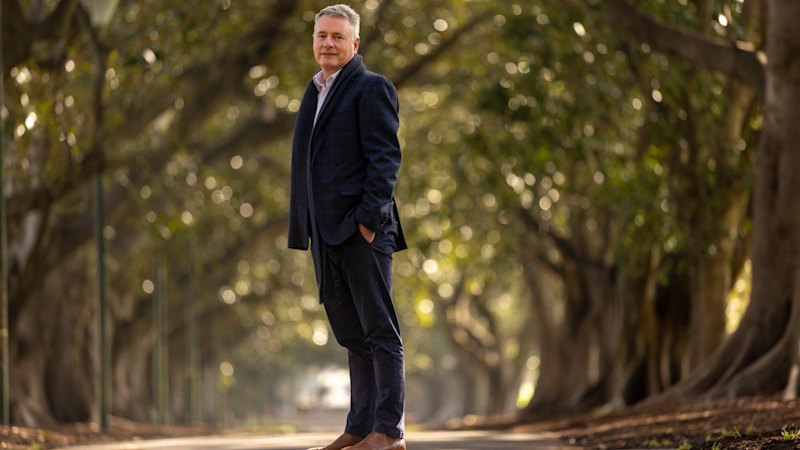
Michael Dooley, a pharmacist with extensive hospital experience, has described his involvement in Victoria's voluntary assisted dying (VAD) scheme as a transformative aspect of his career. He believes that participating in this program has made him a better person. Dooley's work involves supporting terminally ill individuals in the state who have chosen to end their lives peacefully through the VAD process. This role has reportedly had a significant personal impact on him, altering his perspective and professional identity. The VAD scheme in Victoria allows eligible individuals facing unbearable suffering from a terminal illness to access medical assistance to die. Dooley's reflections highlight the deeply personal and ethical dimensions of providing end-of-life care and support. His commitment to this sensitive area of healthcare underscores a dedication to patient autonomy and compassionate care during the final stages of life. The pharmacist's journey illustrates the profound human experiences that can arise from working within complex and emotionally charged medical frameworks.
The implementation of voluntary assisted dying programs presents complex ethical and societal considerations, particularly for healthcare professionals involved. Pharmacists like Michael Dooley play a crucial role in the logistical and pharmaceutical aspects of VAD, requiring a delicate balance between medical ethics, patient autonomy, and personal conviction. This involvement can lead to profound personal reflection on life, death, and the role of medicine. Examining such programs through a futurist lens involves considering the evolving landscape of palliative care, patient rights, and the potential for broader societal acceptance or debate regarding end-of-life choices. The system's effectiveness and ethical standing will continue to be shaped by ongoing dialogue, regulatory frameworks, and the lived experiences of both patients and providers.
AI-generated to prompt reflection — not editorial opinion, not advice, not a statement of fact. How this works.