PHEVs Bridge Gap Between ICE and EVs, Challenging Domestic Market
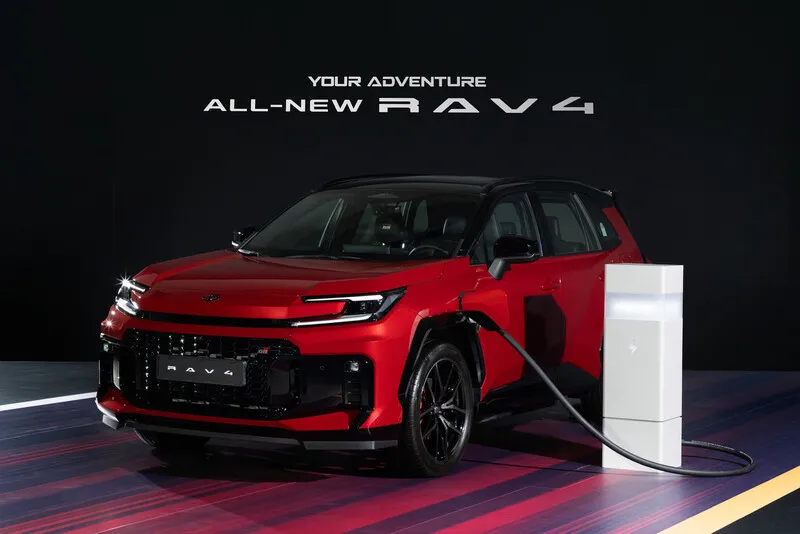
Plug-in hybrid electric vehicles (PHEVs) are emerging as a significant segment in the automotive market, positioned between traditional internal combustion engine (ICE) vehicles and fully electric vehicles (EVs). This growing segment is creating opportunities for foreign automakers, particularly from Japan and China, to fill a void in the domestic market. The increasing interest in PHEVs suggests a consumer demand for transitional technologies that offer the flexibility of gasoline engines for longer trips while still providing electric power for shorter commutes. This trend could reshape the competitive landscape for domestic car manufacturers who may have focused more heavily on either ICE or full EV development. The entry of Japanese and Chinese brands into this space indicates a strategic move to capture market share by offering diverse powertrain options. As the automotive industry navigates the transition to electrification, PHEVs represent a crucial stepping stone for many consumers and manufacturers alike. The success of these foreign offerings may pressure domestic companies to accelerate their PHEV strategies or risk losing ground in a rapidly evolving market. This dynamic highlights the complex technological and market shifts occurring globally in the automotive sector.
The rise of plug-in hybrid electric vehicles (PHEVs) signifies a pragmatic approach to the ongoing automotive transition, acknowledging consumer range anxiety and charging infrastructure limitations. This market dynamic presents an opportunity for international manufacturers, particularly from Japan and China, to leverage their existing technological strengths and supply chains. For domestic automakers, the challenge lies in balancing investment between established internal combustion engine (ICE) technology, full electric vehicle (EV) development, and the burgeoning PHEV segment. The strategic implications suggest a potential fragmentation of the market, where diverse powertrain solutions cater to different consumer needs and regional charging capabilities. Over the next decade, the success of PHEVs will likely depend on evolving battery technology, government incentives, and the pace of full EV adoption, potentially creating a complex, multi-powertrain ecosystem.
AI-generated to prompt reflection — not editorial opinion, not advice, not a statement of fact. How this works.