Philadelphia Activists Resist Erasure of Enslaved History
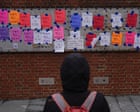
In Philadelphia, the nation's first capital, activists have spent the last six months actively working to prevent the erasure of the history of slavery. The efforts come as some exhibits, like the one at the President's House, have seen panels detailing the lives of enslaved individuals removed, leaving only remnants like bolts as a reminder of their past presence. Tiffany Cooper, a visitor who photographed a panel about an enslaved woman, expressed sadness at the "incompleteness" of the exhibit, which once highlighted the stories of nine enslaved Africans who served President George Washington during the 1790s when Philadelphia served as the U.S. capital. These activists are committed to ensuring that the full narrative of the nation's history, including the often-overlooked experiences of enslaved people, is remembered and acknowledged by the public.
This situation highlights a recurring tension between historical preservation and the potential for narrative simplification or omission. The removal of exhibit panels, even if for reasons of maintenance or redesign, can inadvertently diminish the public's understanding of complex historical events like the role of enslaved individuals in early American governance. Activists' efforts underscore the public's demand for comprehensive historical accounts that acknowledge the contributions and suffering of all populations. Future historical site management may need to incorporate more robust strategies for maintaining the integrity of narratives, ensuring that the full scope of history, including difficult truths, remains accessible and is not inadvertently marginalized through the evolution of exhibits or infrastructure.
AI-generated to prompt reflection — not editorial opinion, not advice, not a statement of fact. How this works.