Philippine Education Reform Pace Deemed Dangerously Slow by Business Group
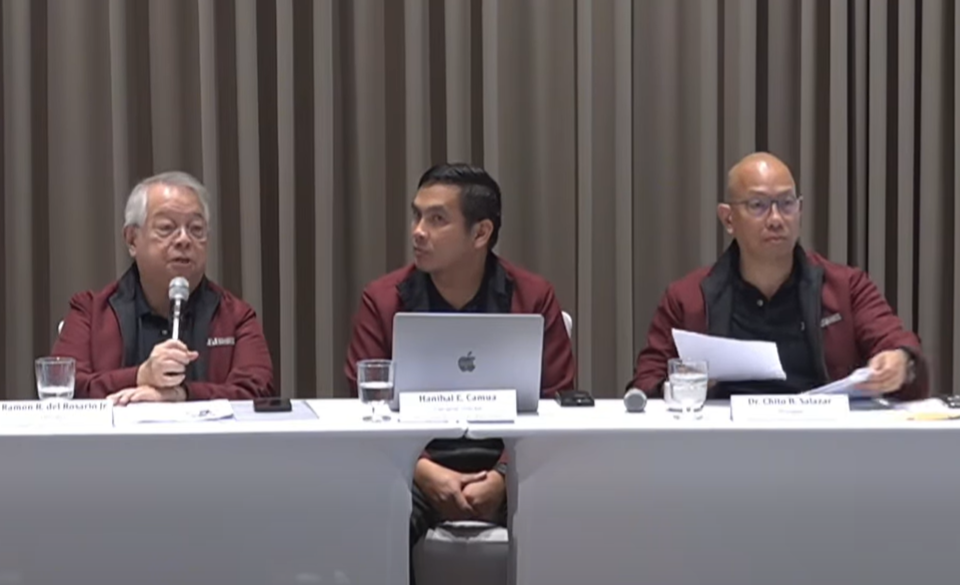
The Philippine Business for Education (PBEd) has issued a stark warning regarding the speed of educational reforms in the Philippines. While acknowledging the government's efforts in introducing key initiatives, PBEd stated on Tuesday that the pace of implementation is "dangerously inadequate." This slow progress, according to the organization, is insufficient to effectively address the nation's learning crisis, which has persisted for decades. The group emphasizes the urgent need for accelerated action to reverse the negative trends impacting Filipino students' educational outcomes. PBEd's statement highlights a significant gap between policy formulation and tangible results on the ground, underscoring the critical challenges in overcoming the deep-seated issues within the Philippine education system.
The Philippine Business for Education's assessment highlights a common challenge in large-scale public sector reform: the discrepancy between policy intent and execution speed. While reforms may be conceptually sound, their effective implementation is often hampered by bureaucratic inertia, resource constraints, or insufficient stakeholder alignment. This situation creates a systemic risk where well-intentioned policies fail to yield timely improvements, potentially exacerbating existing societal problems like the learning crisis. Moving forward, a critical focus on agile governance, performance metrics, and adaptive management strategies will be essential to ensure that reform initiatives can keep pace with the urgent needs of the education sector and the evolving demands of the future workforce in the AI era.
AI-generated to prompt reflection — not editorial opinion, not advice, not a statement of fact. How this works.
