Philippine Supreme Court Rules on Electronic Evidence in VP Duterte Case
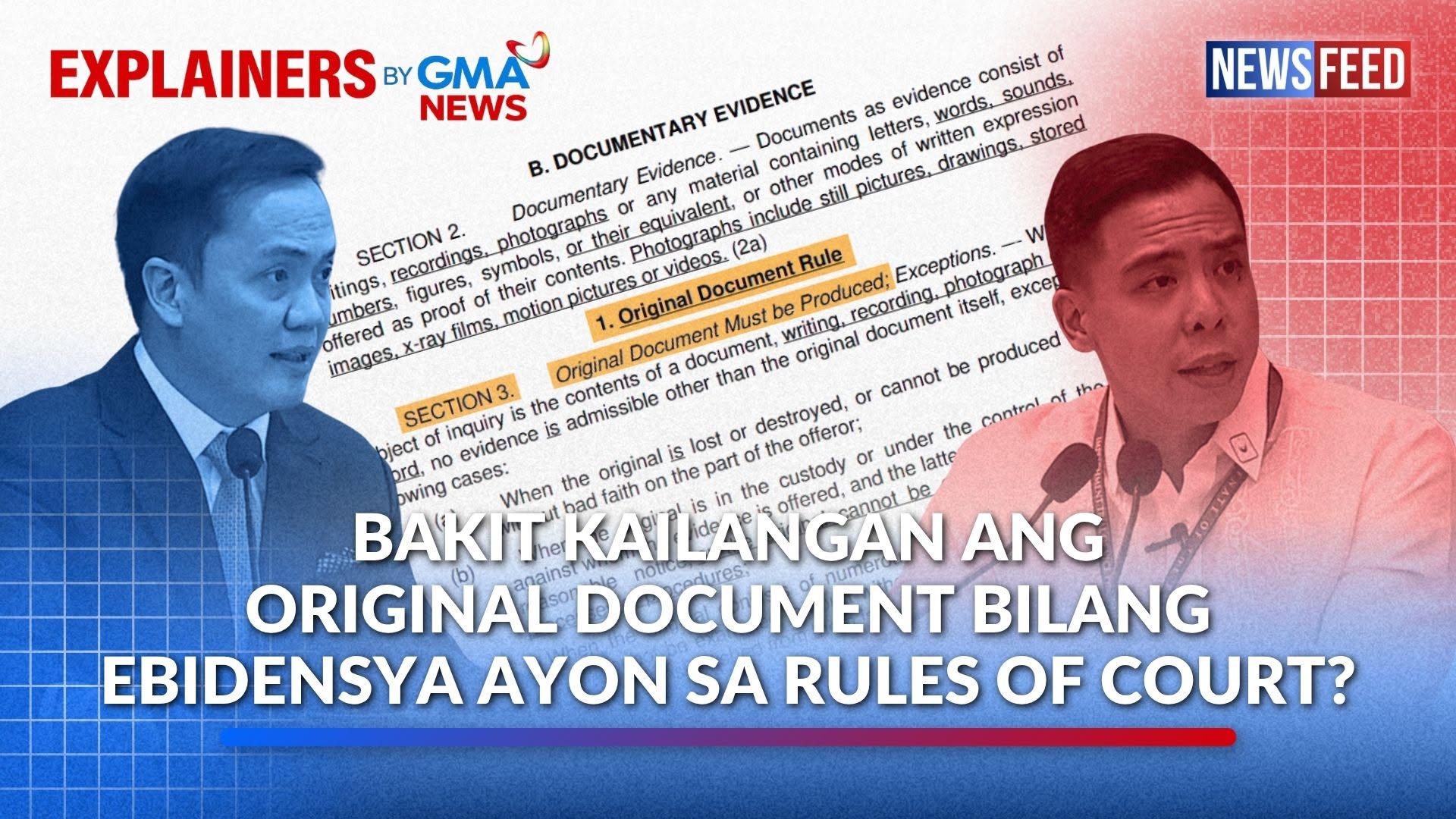
The Philippine Supreme Court is deliberating on the admissibility of electronic copies as evidence, a crucial issue that emerged during a hearing on Tuesday. Lawyers representing both the prosecution and the defense engaged in a heated debate concerning the presentation of digital evidence. This evidence pertains to remarks allegedly made by Vice President Sara Duterte in 2024. Specifically, the digital records are related to statements where the Vice President reportedly threatened to kill President Ferdinand Marcos Jr., First Lady Liza Araneta Marcos, and former House Speaker Martin Romualdez. The core of the legal contention revolves around whether these electronic copies can be formally accepted as valid evidence in court proceedings. The ruling will set a precedent for how digital information is handled in future legal cases within the Philippines. The court's decision is anticipated to clarify the legal standing of electronic evidence and its weight in judicial matters.
The Supreme Court's consideration of electronic evidence in the context of Vice President Sara Duterte's alleged remarks highlights a critical juncture in the Philippines' legal framework. As digital communication becomes increasingly prevalent, establishing clear guidelines for the admissibility and weight of electronic records is paramount. This case presents an opportunity to solidify jurisprudence on digital evidence, ensuring that legal processes can effectively incorporate the realities of modern information exchange. The court's decision will likely influence how future allegations, particularly those involving high-profile individuals and sensitive statements, are adjudicated, balancing the need for robust evidence with the protection of digital privacy and integrity. This ruling could shape the future landscape of digital evidence law in the Philippines, impacting everything from political discourse to criminal justice.
AI-generated to prompt reflection — not editorial opinion, not advice, not a statement of fact. How this works.