Philippine VP Sara Duterte Urges Release of Former President from ICC
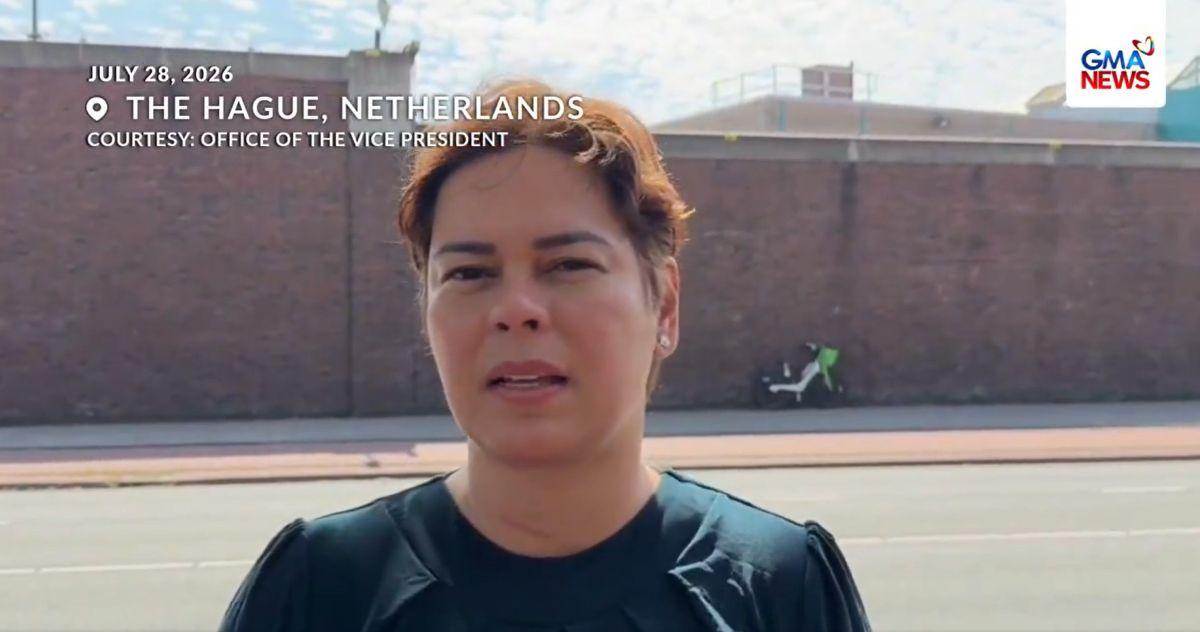
Vice President Sara Duterte has reiterated her call for the immediate release of former President Rodrigo Duterte from the custody of the International Criminal Court (ICC). The Vice President stated her position on the matter, emphasizing the need for his freedom. The specific reasons for the ICC's detention of Rodrigo Duterte were not detailed in this report, but the call for his release highlights ongoing political and legal tensions surrounding the former president's actions and the ICC's investigations. The Vice President's statement adds to the domestic discourse regarding the Philippines' relationship with international legal bodies and the accountability of its former leaders. This renewed appeal underscores a persistent demand from certain political factions within the Philippines for the cessation of the ICC's proceedings against the former president. The implications of this call for international legal cooperation and national sovereignty remain a significant point of discussion.
The Vice President's call for the release of former President Duterte from ICC detention highlights a recurring tension between national sovereignty and international legal accountability. This situation reflects a broader global dynamic where states may resist external judicial oversight, particularly concerning actions taken during their tenure. The ICC's mandate is to prosecute individuals for the most serious international crimes, and its investigations often involve complex geopolitical considerations. From a systemic perspective, such calls can influence diplomatic relations and shape future international cooperation on human rights and justice. The underlying incentive structures for political leaders often involve prioritizing national interests and public perception, which can sometimes conflict with international legal norms. Examining this through a futurist lens, the increasing interconnectedness of the world and the evolving role of international law suggest that mechanisms for accountability will continue to be debated and refined, posing ongoing challenges for both national governments and international institutions.
AI-generated to prompt reflection — not editorial opinion, not advice, not a statement of fact. How this works.