Philippines Abortion Ban Fuels Dangerous Underground Market for Pills
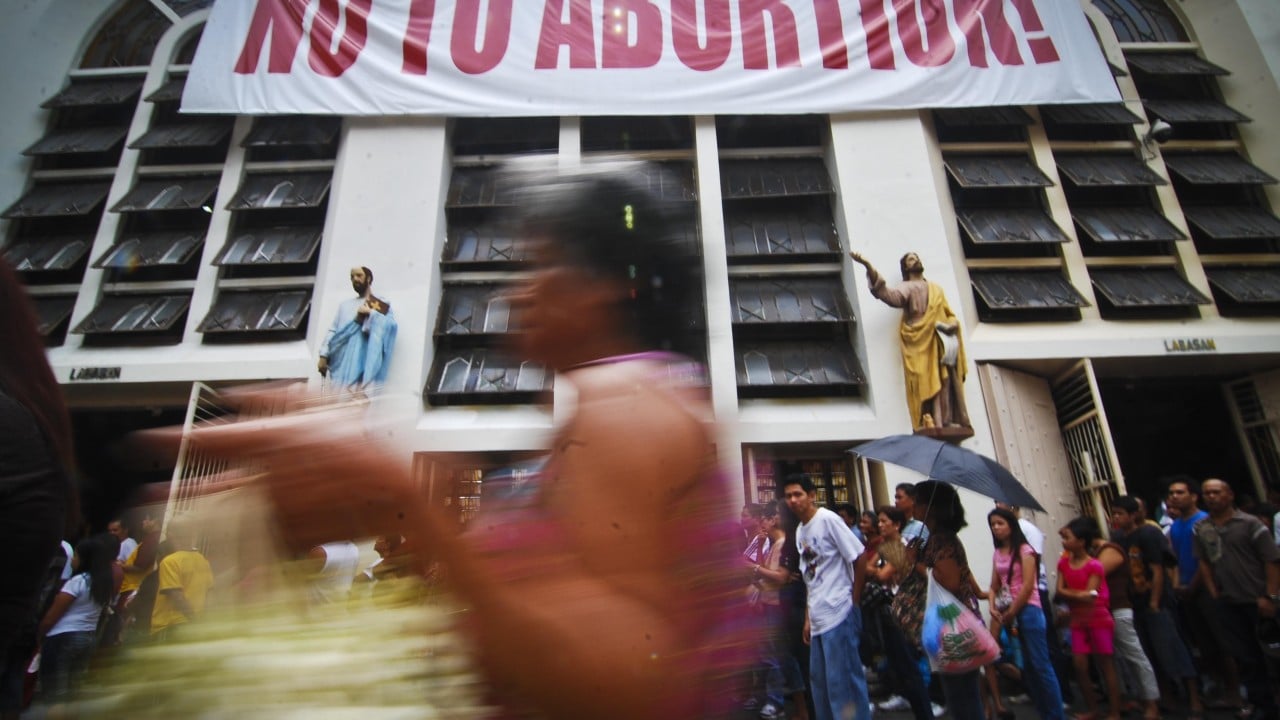
The recent arrest of a 65-year-old woman accused of selling abortion pills in Manila has highlighted the burgeoning underground economy surrounding unwanted pregnancies in the Philippines. This nation is one of the few globally where abortion is almost entirely criminalized. For individuals seeking to terminate pregnancies, options are limited and often unsafe, relying on online vendors, market sellers, informal recommendations, and the questionable quality of pills obtained outside regulated medical channels. The lack of safe and legal access forces many to resort to these risky alternatives, potentially endangering their health and lives. This situation underscores the significant public health challenges posed by strict abortion laws, pushing vulnerable populations toward clandestine and hazardous practices. The reliance on informal networks and unverified sources creates a dangerous environment where proper medical guidance and safe procedures are inaccessible.
The criminalization of abortion in the Philippines, as evidenced by the rise of an underground market for pills, creates significant public health risks. When legal avenues are unavailable, individuals are compelled to seek unregulated and potentially dangerous alternatives. This dynamic highlights a systemic tension between legal prohibitions and the persistent reality of unintended pregnancies. Future policy considerations might explore the public health implications and the potential for harm reduction strategies, balancing societal values with the imperative to protect individual well-being. The long-term societal impact of such policies, particularly on women's health and autonomy, warrants careful consideration in the evolving landscape of reproductive rights and healthcare access.
AI-generated to prompt reflection — not editorial opinion, not advice, not a statement of fact. How this works.