Philippines Aims to Boost Salt Production to Reduce Import Reliance
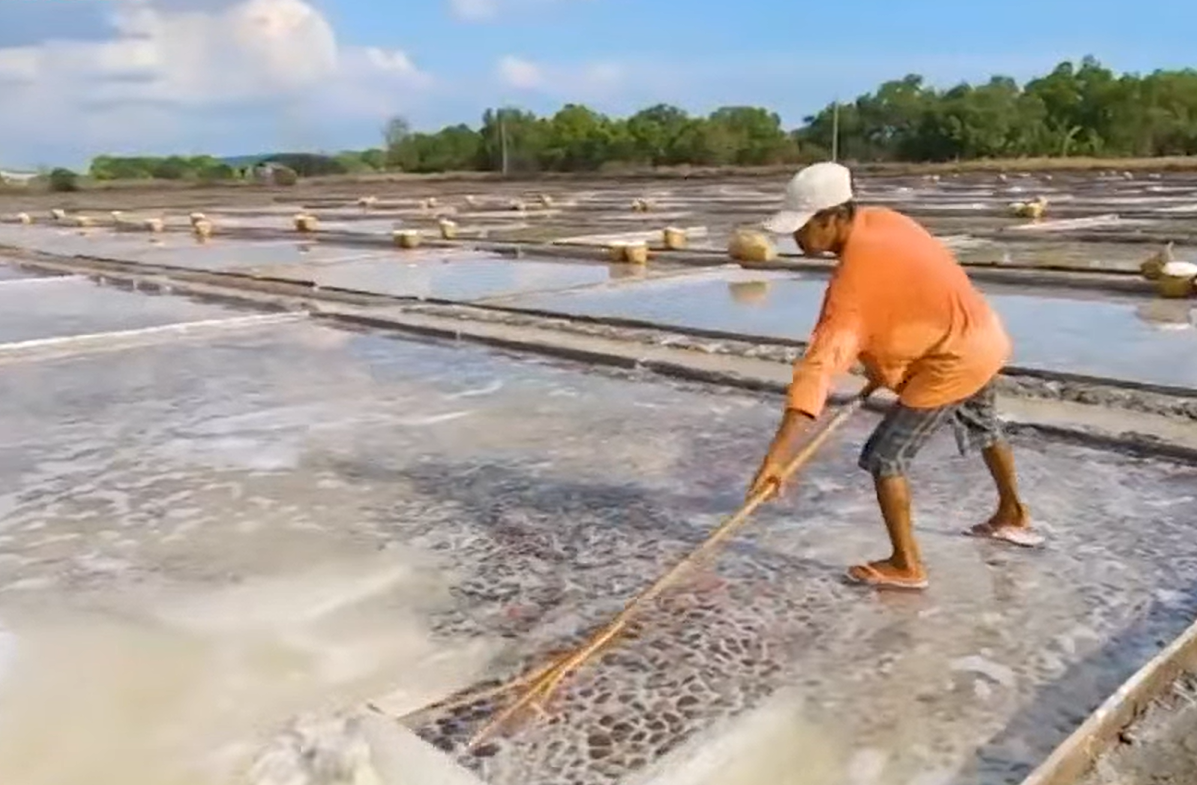
The Bureau of Fisheries and Aquatic Resources (BFAR) plans to increase domestic salt production. This initiative follows a significant output of nearly 200,000 metric tons recorded in the first half of 2026. The government's objective is to lessen the Philippines' dependence on imported salt. BFAR's expansion efforts aim to bolster local capacity and potentially achieve greater self-sufficiency in salt supply. This move is part of a broader strategy to strengthen the country's agricultural and fisheries sectors. Increased local production could also lead to more stable pricing and availability for consumers and industries. The specific targets for future production increases are expected to be detailed as BFAR rolls out its expansion plans. The agency is committed to supporting the growth of the salt industry within the Philippines.
The Philippine government's push to increase domestic salt production signifies a strategic move towards import substitution, aiming to enhance national economic resilience and food security. By targeting a near 200,000 metric ton output in the first half of 2026, BFAR is responding to market dynamics that highlight the vulnerability of relying on external supply chains. This policy shift, if successful, could foster local employment and stimulate related industries. However, the long-term viability will depend on factors such as technological advancement in salt production, environmental sustainability of expanded operations, and the ability to compete with established international salt markets. The initiative presents a trade-off between immediate self-sufficiency goals and the potential need for significant investment to achieve competitive, high-quality production at scale.
AI-generated to prompt reflection — not editorial opinion, not advice, not a statement of fact. How this works.