Philippines and US Pledge P42 Billion for HIV and TB Response
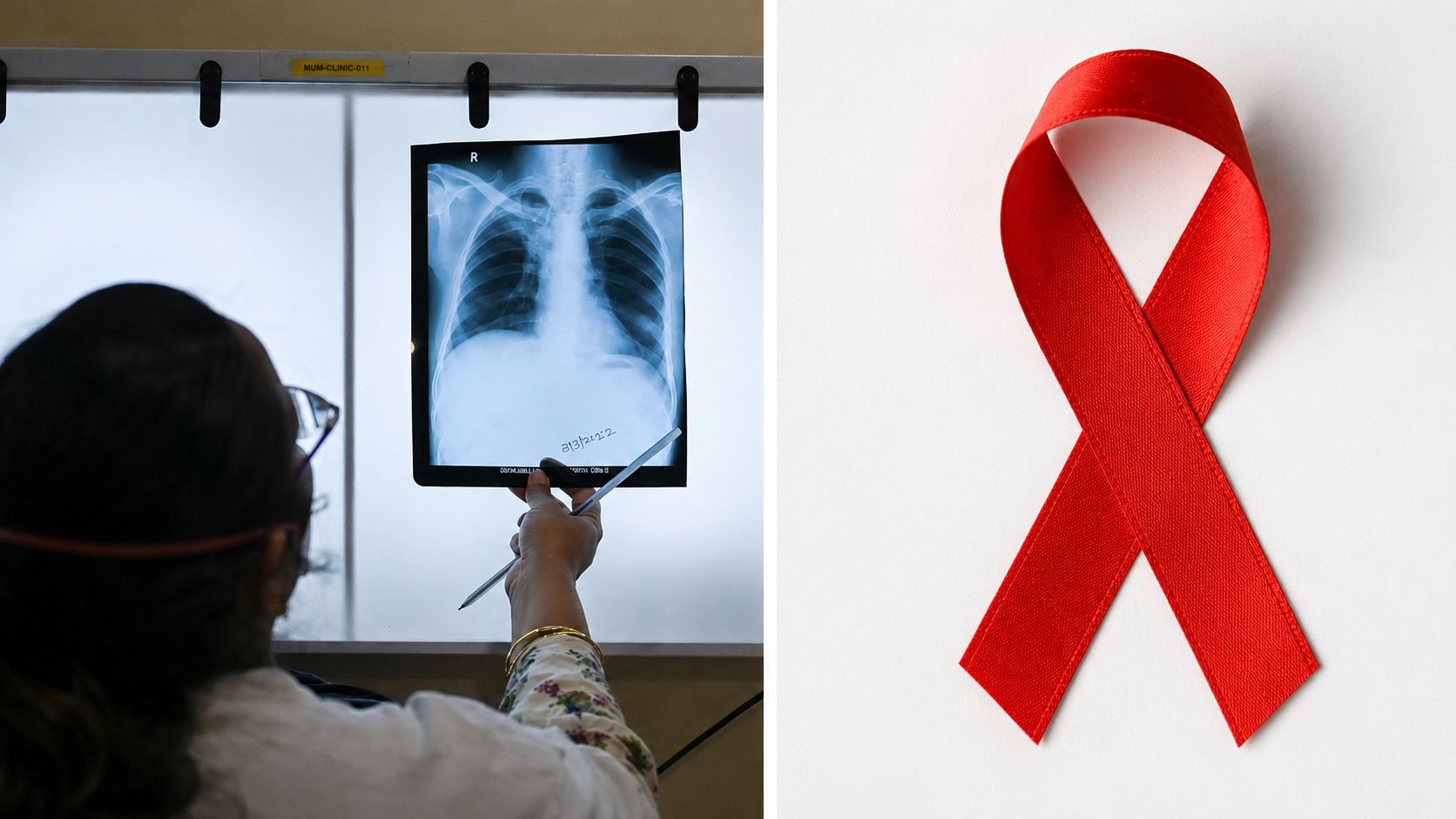
The Philippines and the United States have formalized a five-year partnership aimed at bolstering the nation's efforts against HIV and tuberculosis. The agreement commits a substantial P42 billion (approximately $715 million USD) to enhance the country's public health infrastructure and programs targeting these diseases. This significant financial commitment underscores a shared dedication to improving health outcomes and combating infectious diseases within the Philippines. The collaboration is expected to facilitate the implementation of advanced diagnostic tools, treatment protocols, and prevention strategies. Furthermore, the initiative seeks to strengthen healthcare worker capacity and community outreach programs. This long-term agreement signifies a renewed focus on public health security and a commitment to addressing critical health challenges through international cooperation.
This bilateral agreement represents a significant investment in public health infrastructure, focusing on critical infectious diseases like HIV and tuberculosis. The substantial financial commitment from both the Philippines and the United States highlights the recognized importance of these health challenges. From a systemic perspective, such partnerships are crucial for resource mobilization, knowledge transfer, and the scaling of effective interventions. The long-term nature of the agreement suggests a strategic approach to disease control, aiming for sustainable impact beyond short-term projects. Future considerations may involve evaluating the efficiency of resource allocation, the adaptability of programs to evolving epidemiological landscapes, and the integration of these efforts within broader national health strategies, particularly in the context of increasing global health interconnectedness and the potential for future pandemics.
AI-generated to prompt reflection — not editorial opinion, not advice, not a statement of fact. How this works.