Philippines: Assistant Arrested for 'Love Scam' Targeting Female Doctor Boss
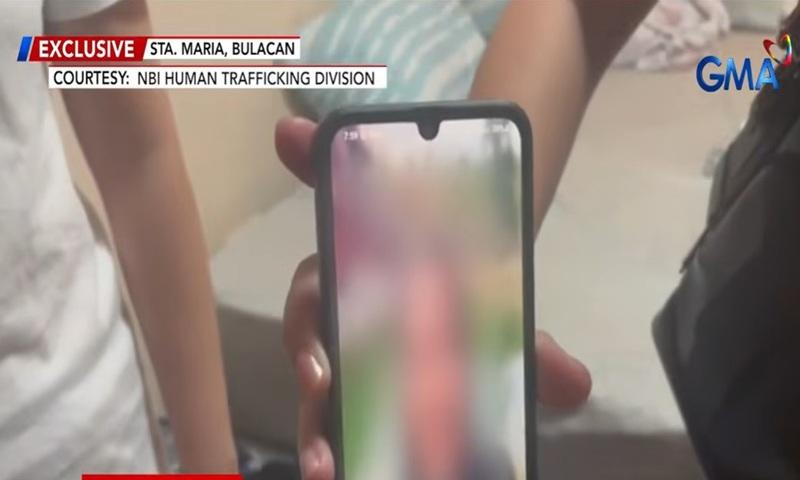
The National Bureau of Investigation (NBI) in the Philippines has arrested a woman for allegedly orchestrating a "love scam" against her female employer, a doctor. The suspect reportedly created a dummy online profile, impersonating a man, to deceive her boss. The scheme aimed to lure the doctor into a romantic relationship through fraudulent means. This incident highlights the sophisticated tactics employed in online scams, often exploiting personal trust and emotional connections. The NBI's intervention prevented further potential financial or emotional harm to the victim. Investigations into the full extent of the scam and any potential accomplices are ongoing. The case underscores the persistent threat of online deception and the importance of digital security awareness for individuals in all professions.
This incident illustrates a sophisticated form of social engineering, where an individual leverages personal access and digital deception to perpetrate fraud. The scam's structure, involving a fabricated online persona and exploitation of a professional relationship, points to a calculated effort to exploit vulnerabilities. Such schemes thrive in environments where trust can be easily manipulated, and the perpetrators often target individuals in positions of influence or perceived stability. From a systems perspective, this case highlights the ongoing challenge of verifying digital identities and the need for robust cybersecurity education that extends beyond technical measures to encompass psychological awareness of manipulation tactics. The long-term implications involve not only financial losses but also significant emotional distress and erosion of trust in online interactions, necessitating a multi-faceted approach to victim support and perpetrator deterrence.
AI-generated to prompt reflection — not editorial opinion, not advice, not a statement of fact. How this works.