Philippines Bolsters South China Sea Defense Ten Years After Landmark Hague Ruling
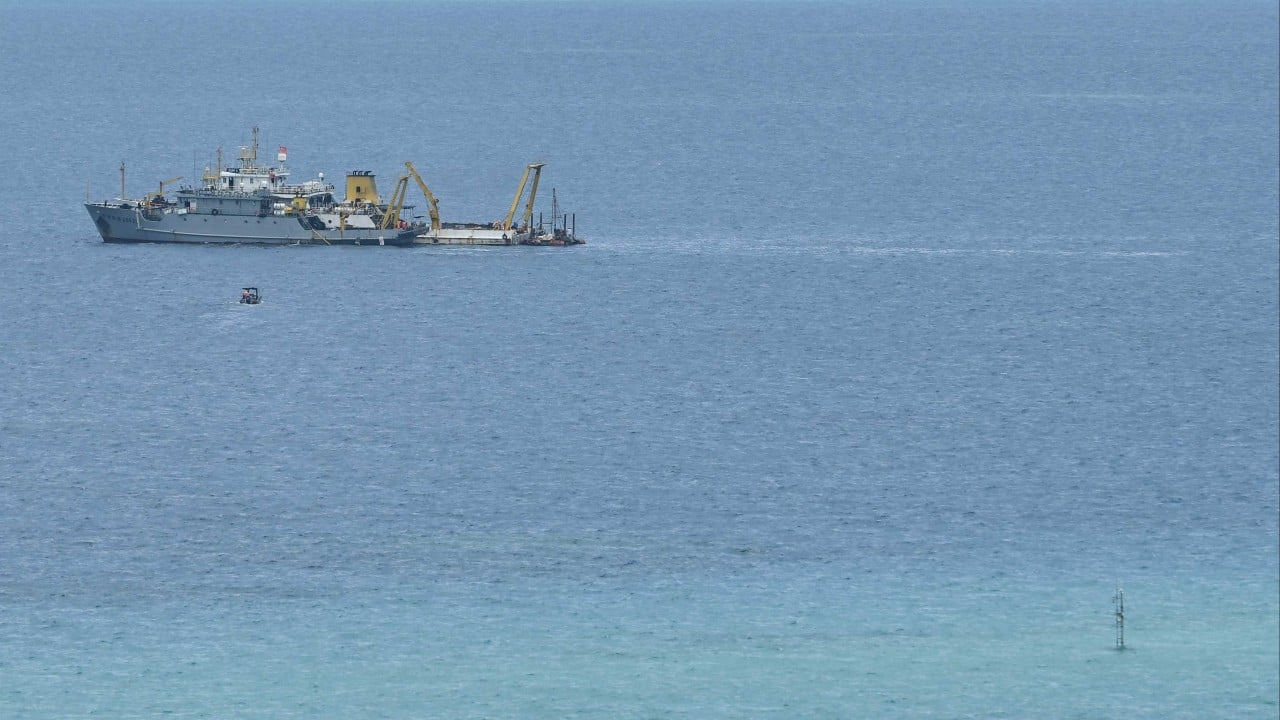
Ten years after a July 12, 2016, ruling by a tribunal in The Hague declared China's extensive claims in the South China Sea legally unfounded, the Philippines is actively reshaping its maritime defense strategy. Despite being significantly outmatched at sea, Philippine officials and analysts note that Manila has begun leveraging its legal victory to establish a more credible form of deterrence against China's assertiveness. The Philippines initiated the legal challenge in 2013, invoking the United Nations Convention on the Law of the Sea (UNCLOS) to contest Beijing's "nine-dash line" and other territorial assertions. The tribunal's ruling affirmed that China's claims lacked a legal basis under international law. This strategic shift by the Philippines aims to translate a jurisprudential win into tangible security improvements in the disputed waters.
The Philippines' decade-long effort to translate the 2016 Hague ruling into effective deterrence highlights the complex interplay between international law and geopolitical realities in maritime security. While the ruling provided a strong legal foundation, its practical impact is constrained by the significant military and economic disparities between Manila and Beijing. The Philippines' current strategy appears focused on building a more resilient defense posture through diplomatic alliances and potentially enhanced naval capabilities, aiming to raise the cost of assertive actions by China. This approach reflects a broader trend in the Indo-Pacific where smaller nations seek to leverage international norms and multilateral partnerships to counterbalance more powerful state actors, navigating the challenges of securing national interests in a contested environment.
AI-generated to prompt reflection — not editorial opinion, not advice, not a statement of fact. How this works.