Philippines Defense Chief Cautions Chinese Academic Exchanges as Grey-Zone Threat
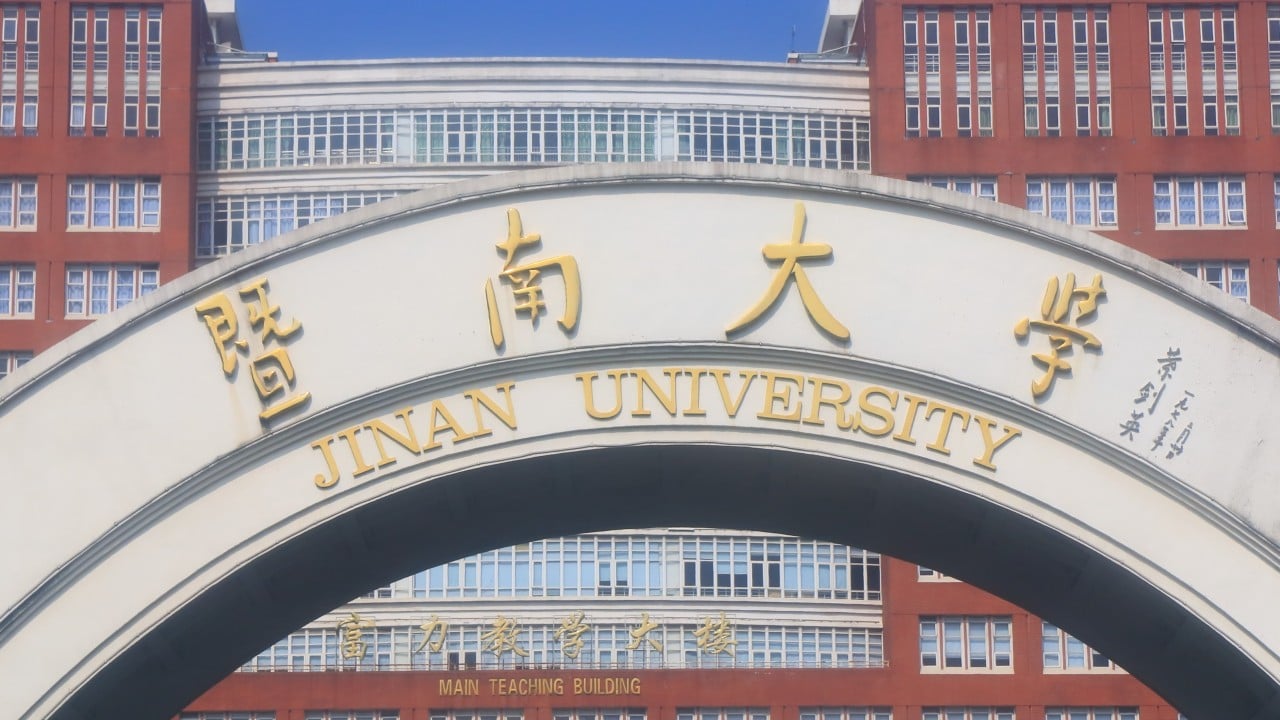
Philippine Defense Secretary Gilberto Teodoro Jr. has issued a warning regarding academic exchange programs with China, urging increased vigilance. Teodoro expressed concern on Wednesday in Manila that such initiatives, particularly those involving foreign-linked educational programs, could be exploited for grey-zone influence and state-sponsored disinformation. His caution comes in the wake of reports that language teachers in Manila had received training from a Chinese university. This specific university is reportedly linked to a recent controversy concerning the Batanes Islands. The defense secretary emphasized the potential for these exchanges to serve as conduits for covert influence operations.
The Philippine defense secretary's warning highlights the complex intersection of cultural exchange and national security in the digital age. Educational initiatives, while ostensibly benign, can be strategically leveraged by state actors to advance geopolitical objectives through non-military means. This 'grey-zone' tactic aims to shape public opinion and foster favorable perceptions without overt aggression. The situation underscores the need for robust vetting processes and transparent oversight of international educational partnerships to safeguard against potential exploitation for influence operations and disinformation campaigns. Future policy considerations may involve enhanced due diligence protocols for academic collaborations, particularly those involving institutions with documented ties to sensitive geopolitical disputes.
AI-generated to prompt reflection — not editorial opinion, not advice, not a statement of fact. How this works.