Philippines Defense Chief Rejects China's Claims on Ayungin Shoal Activities
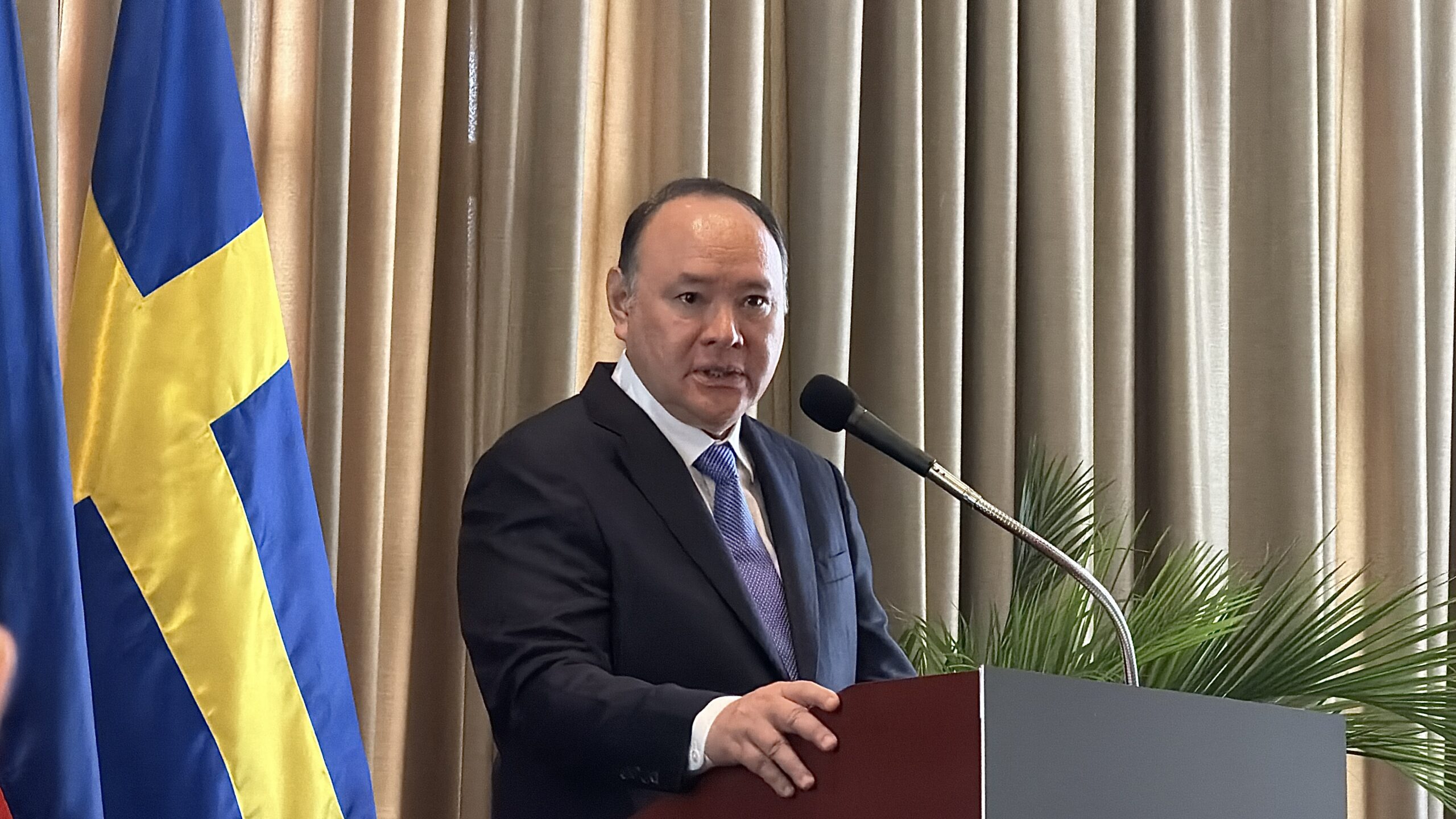
Philippine Defense Secretary Gilberto Teodoro Jr. on Thursday rejected China's accusations that alleged construction activities by the Philippines aboard the BRP Sierra Madre at Ayungin Shoal violated a provisional arrangement between Manila and Beijing. Teodoro asserted that China has no right to interfere with activities conducted within Philippine territory. When questioned about whether the alleged construction breached the provisional agreement, the Defense Secretary's response indicated a firm stance against Chinese interference. The Philippines maintains its sovereign rights over the features in the West Philippine Sea, including Ayungin Shoal. This exchange highlights ongoing tensions between the two nations regarding maritime claims and activities in the disputed waters. The BRP Sierra Madre, a grounded naval vessel, serves as a de facto outpost for the Philippines in the area. China has frequently protested Philippine resupply missions and any perceived attempts to strengthen its presence on the shoal. The Philippine government has consistently stated its commitment to upholding international law and its territorial integrity.
The assertion by Philippine Defense Secretary Gilberto Teodoro Jr. frames the dispute over Ayungin Shoal as a matter of territorial sovereignty, directly challenging China's claims of interference based on a "provisional arrangement." This approach seeks to anchor the Philippines' actions within the established framework of international law and national jurisdiction, thereby delegitimizing external objections. From a geopolitical perspective, this stance reflects a strategy to assert control and deter further encroachment in contested maritime zones. The underlying incentive for the Philippines is to secure its sovereign rights and resource access, while China's actions are likely driven by its expansive maritime claims and strategic interests in the South China Sea. The long-term implications involve the potential for escalating tensions or a recalibration of diplomatic engagement, depending on the adherence to international norms versus unilateral assertions of power.
AI-generated to prompt reflection — not editorial opinion, not advice, not a statement of fact. How this works.